


Tips for Preparing Your Trash for Efficient Curbside Trash Pickups
Efficient waste collection is vital for maintaining clean and eco-friendly neighborhoods. Proper preparation of your household waste facilitates a smooth collection process and helps reduce environmental impact. Knowing how to sort and place your bins ensures waste professionals can do their jobs without delays. Taking proactive steps transforms a mundane chore into a meaningful contribution to community health. Organized disposal keeps streets clear.
Following basic guidelines makes the entire process seamless for homeowners and waste professionals. Effective preparation prevents litter from spilling into the streets and keeps local wildlife at bay. It also streamlines the route for the collection trucks traversing your neighborhood. By adopting clear routines, residents guarantee their curbside trash pickups happen without a hitch. A little bit of foresight promotes a sustainable lifestyle.
Understand Local Rules and Guidelines
Before setting any bins outside, residents should consult their municipal waste management authority. Every town maintains specific rules governing waste disposal. Local agencies provide resources that detail correct preparation steps. Grasping these guidelines prevents penalties and minimizes inconvenience. It ensures household routines align with broader environmental goals. Waste regulations evolve over time due to shifting sustainability targets. Remaining informed helps residents adjust their disposal habits to match current standards.
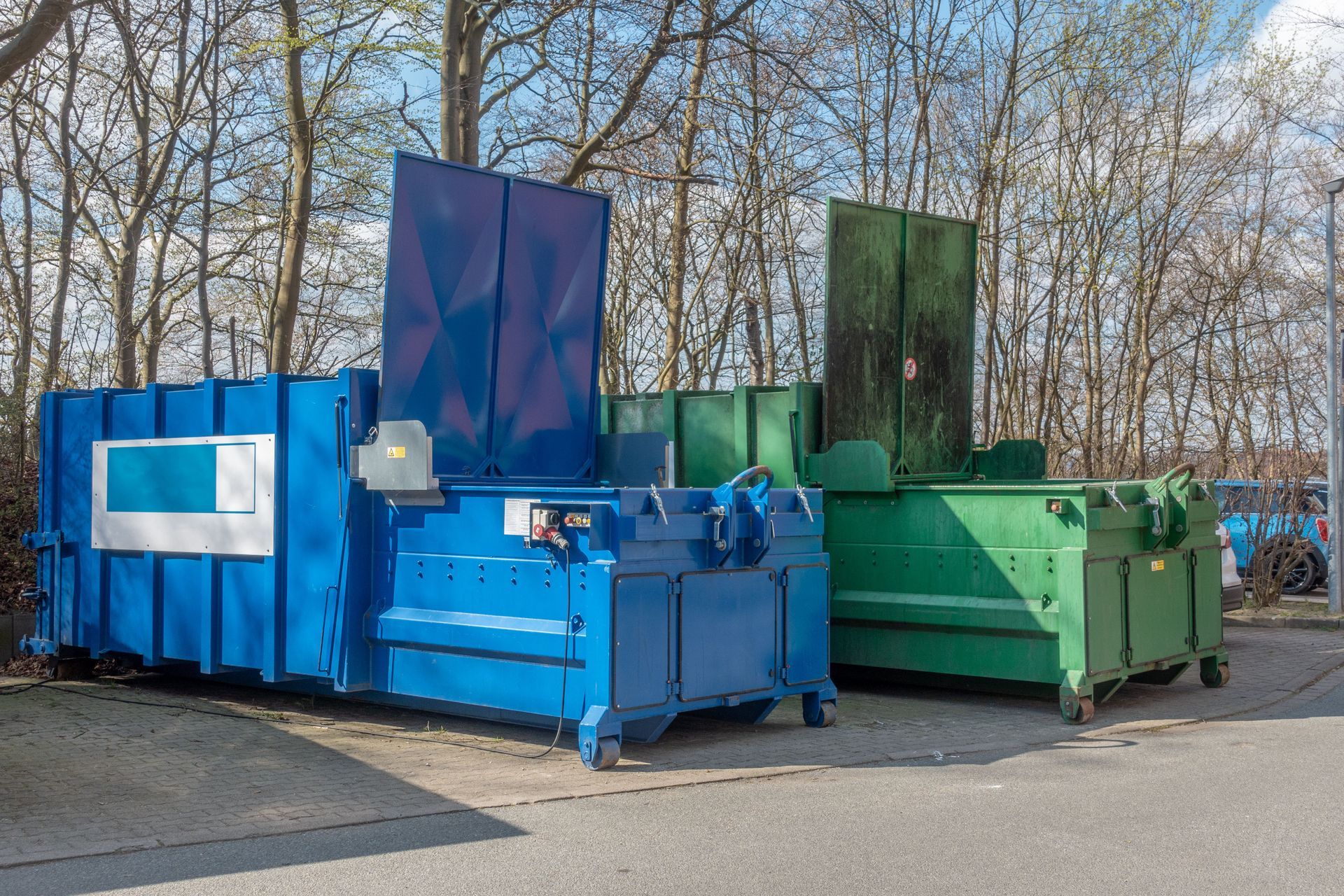
Knowing your collection schedule is essential for effective waste disposal. Communities assign specific days for regular waste and recycling gathering. Adhering to these schedules prevents bins from sitting out longer than necessary, reducing unpleasant odors. This routine helps organize household chores and avoids rushing. Residents must also learn which items are permissible in standard bins. Hazardous materials require special handling, and renting a roll-off container is practical for heavy cleanouts. Arranging collections for bulky furniture keeps standard curbside trash pickups efficient.
Segregate Household Waste and Recyclables
Effective waste management begins with separating recyclables from standard refuse. Categorizing materials like paper, plastic, and glass provides raw resources. Proper separation ensures valuable materials avoid the landfill. According to Rubicon, Americans generate close to 12% of the global waste total, which makes recycling initiatives crucial for a sustainable future. Keeping streams distinct lowers the burden on local landfills and boosts regional sustainability. Clear bags simplify the sorting process for some items.
Organic matter requires a different approach to prevent unpleasant bin conditions. Keeping food scraps and yard debris separate for composting creates nutrient-rich soil. Composting diverts massive volume from traditional disposal systems. Recognizing disposal protocols for harsh chemicals is crucial. Batteries and cleaning fluids need dedicated drop-off locations rather than standard collection bins. Keeping hazardous items out of the main waste stream protects the environment. Categorizing everything accurately guarantees your routine curbside trash pickups remain safe.
Choose Appropriate Bins and Containers
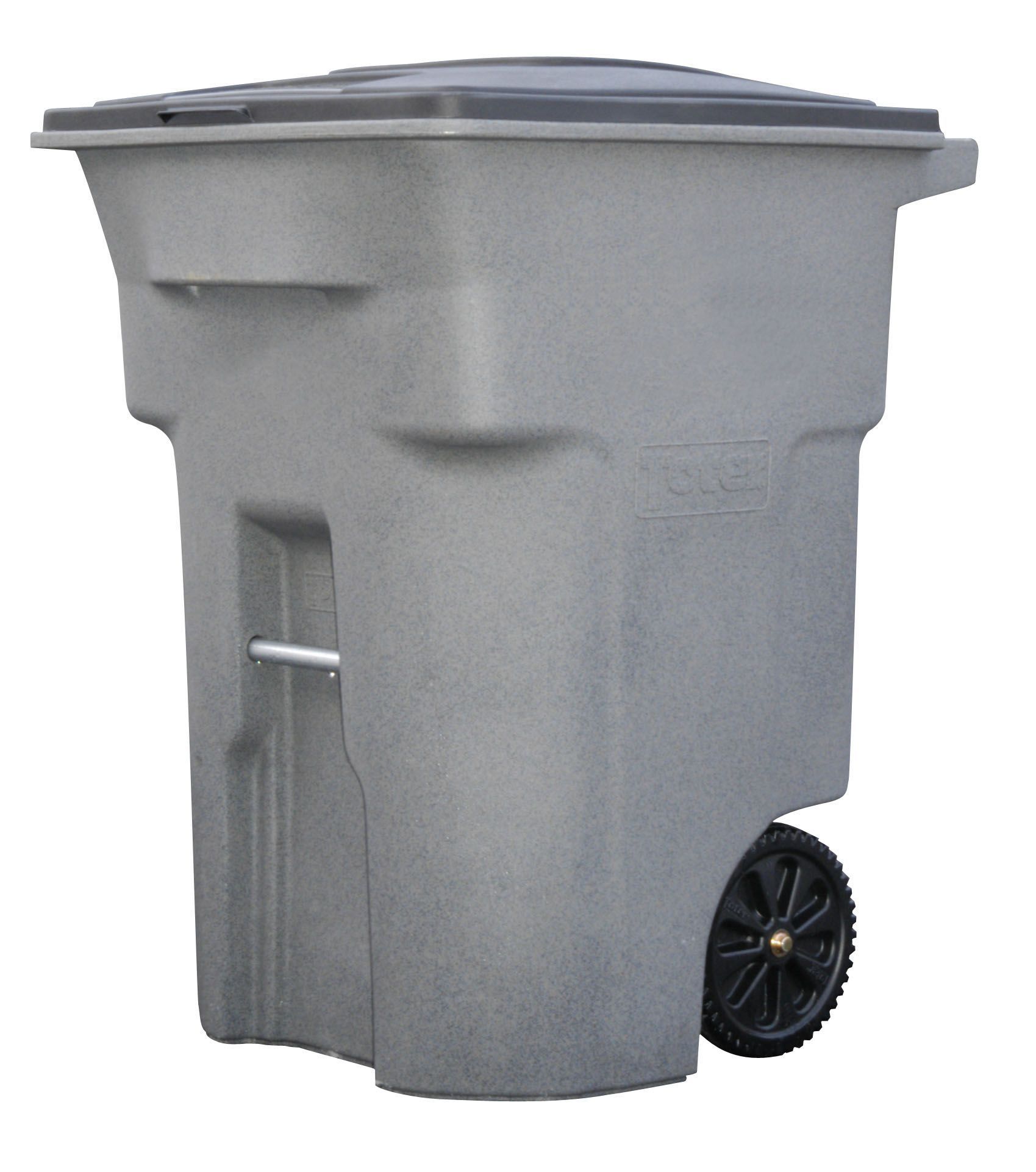
Selecting the right containers protects waste from harsh weather conditions. Strong, weatherproof materials withstand heavy rain and strong winds without deteriorating over the seasons. Durable receptacles reduce the chances of garbage spilling across the lawn during a storm. Secure lids play a crucial role in trapping odors and deterring animals. A tight seal prevents pests from accessing discarded food scraps and making a mess. Clean containers contribute to neighborhood aesthetics. Acquiring quality receptacles makes a noticeable difference for property cleanliness.
Designating distinct bins for different waste categories streamlines household routines. Using distinct colors for recycling and standard refuse prevents confusion among family members. This visual system mirrors the organization found at professional sorting facilities. Hygienic maintenance of these containers is another vital step in the process. Rinsing and sanitizing the plastic surfaces stops bacteria and mold from thriving in enclosed spaces. Routine washing extends receptacle lifespans. Well-maintained bins ensure that your weekly curbside trash pickups remain a sanitary process.
Maximize Available Space and Volume
Optimizing the space inside your receptacles enhances overall disposal efficiency. Flattening cardboard boxes before tossing them is a primary step. Crushing these materials reduces their physical footprint and leaves room for other items. Compressing soft plastics and packaging has a similar space-saving effect. Rolling or squeezing the air out of bulky wrappers maximizes the internal capacity of the bin. Efficient volume management means fewer overflowing bags. It reflects a practical mindset toward organizing household refuse without wasting available space.
Large items take up excessive room if left intact inside the receptacle. Disassembling broken chairs or small appliances conserves valuable capacity. Smaller pieces pack tighter and prevent lids from popping open. Taking apart broken goods also reveals components that might be useful for future repairs. Bins should remain below their maximum capacity to prevent spills. Municipal crews struggle with overflowing receptacles that drop debris onto the pavement. Keeping volume under control guarantees that your curbside trash pickups go smoothly.
Manage Timely Placement and Retrieval
Bringing your bins to the street the night prior to collection prepares you for early morning routes. This habit prevents the stress of rushing out at dawn. Getting receptacles in position early complies with municipal guidelines regarding collection windows. It also gives family members a chance to toss in last-minute items before the truck arrives. Respecting local schedules keeps the neighborhood operating without disruptions. Residents should clear the surrounding area of vehicles or large obstacles to give the trucks unobstructed access.
Receptacle orientation impacts the speed of collection workers. Pointing the handles toward the house lets the crew grab the bins with ease. This small detail speeds up the route and demonstrates respect for the professionals doing the heavy lifting. Retrieving the empty receptacles is crucial. Leaving containers on the street for days creates eyesores and blocks pedestrian pathways. Prompt retrieval protects bins from damage and theft. Establishing a strict schedule for your curbside trash pickups promotes a well-kept street.
Address Common Issues and Disruptions
Excess refuse can overwhelm standard bins during busy weeks. Planning ahead for surges in volume helps maintain order at the curb. For major home renovations, renting a commercial roll-off container is the best strategy. If a standard collection is missed, residents should report the gap to the service provider. Prompt communication allows the dispatch team to correct the oversight without causing a prolonged backup. Using official channels to voice concerns establishes a constructive relationship with the waste management team serving your area.
Property boundaries sometimes cause friction regarding bin placement. Placing your receptacles clearly within your property lines prevents disagreements with neighbors. Open communication resolves minor misunderstandings before they escalate. Residents must also watch out for unauthorized dumping in their neighborhoods. Illicit dumping strains municipal resources and degrades community hygiene. Reporting suspicious activity protects the local environment from harmful debris. A vigilant neighborhood ensures that standard curbside trash pickups remain the primary and proper method for removing debris from the residential area.
Preparing your household waste the right way is an integral part of maintaining a healthy community. From understanding regional regulations to choosing durable receptacles, every action makes a difference. Segregating materials ensures valuable resources avoid the landfill. Maximizing bin space and adhering to collection schedules streamlines the entire process. Anticipating excess volume and addressing minor disruptions keeps neighborhoods looking great. Implementing these habits transforms a basic chore into a powerful environmental safeguard for future generations.
Taking responsibility for waste disposal protects local ecosystems and supports the workers who handle the heavy lifting. Communities thrive when residents coordinate their disposal efforts and follow established protocols. Reliable service depends on mutual cooperation between homeowners and the collection crews. A clean neighborhood boosts property values and enhances daily living experiences. To establish consistent curbside trash pickups and explore our comprehensive waste removal solutions, we encourage you to contact us at Star Waste Systems today.

Share On: