

Common Mistakes Businesses Make With Commercial Dumpster and Trash Pickup
Efficient waste management is a critical component for any successful business operation, especially when it comes to commercial dumpster and trash pickup. Not only does it ensure a clean and safe working environment, but it also reflects a company's commitment to organized and responsible operations. However, many businesses struggle with planning and consistency, which leads to inefficiencies in commercial dumpster and trash pickup and increased operational costs. Mismanaging waste can result in a variety of challenges, from disrupted workflows to unnecessary service strain, making proper planning an essential part of day-to-day operations.
Assessment Of Waste Needs
Ignore Waste Volume Fluctuations
One frequent mistake businesses make is failing to account for fluctuations in waste volume driven by seasonal trends or changes in business activity. For example, retail locations and food service businesses often see spikes in waste during peak periods, which directly impacts commercial dumpster and trash pickup requirements. When these fluctuations are ignored, dumpsters can overflow and create operational disruptions that affect both safety and efficiency. Monitoring changes in waste output helps businesses adjust their commercial dumpster and trash pickup schedule to better match real demand.
Misjudge The Types Of Waste Generated
Another common oversight is failing to properly evaluate the types of waste a business produces. Different materials may require different handling approaches, and misunderstanding this can lead to inefficiencies in disposal and recycling efforts. When waste types are not properly assessed, it becomes more difficult to optimize overall commercial dumpster and trash pickup performance. Clear categorization helps businesses maintain smoother operations and more organized waste handling processes.
Overlook Future Growth And Demand
Businesses often base waste planning on current conditions without considering future expansion. As operations grow, waste output typically increases, which directly affects commercial dumpster and trash pickup needs over time. Without planning for this change, businesses may face frequent service adjustments and avoidable disruptions. Anticipating growth helps ensure waste services remain aligned with operational demands.
Fail To Monitor Patterns Over Time
Businesses often overlook how waste output changes over time, which can impact the efficiency of commercial dumpster and trash pickup. Without reviewing disposal patterns regularly, it becomes difficult to determine whether current systems are still effective. Monitoring these trends allows businesses to better align service schedules with actual needs. This reduces unnecessary pickups and helps maintain more efficient operations.
Selection Of Dumpster Sizes
Opt For The Cheapest Option
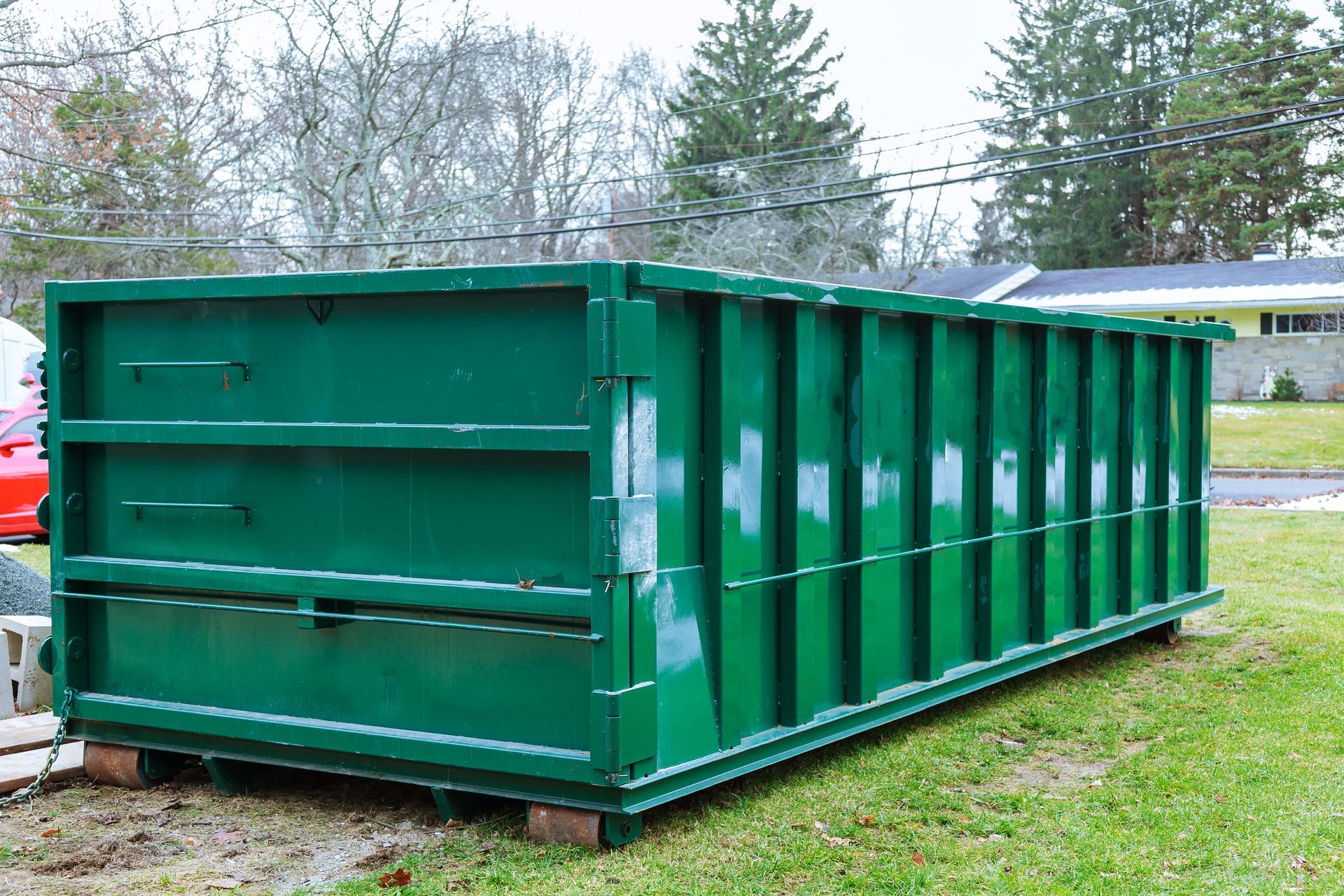
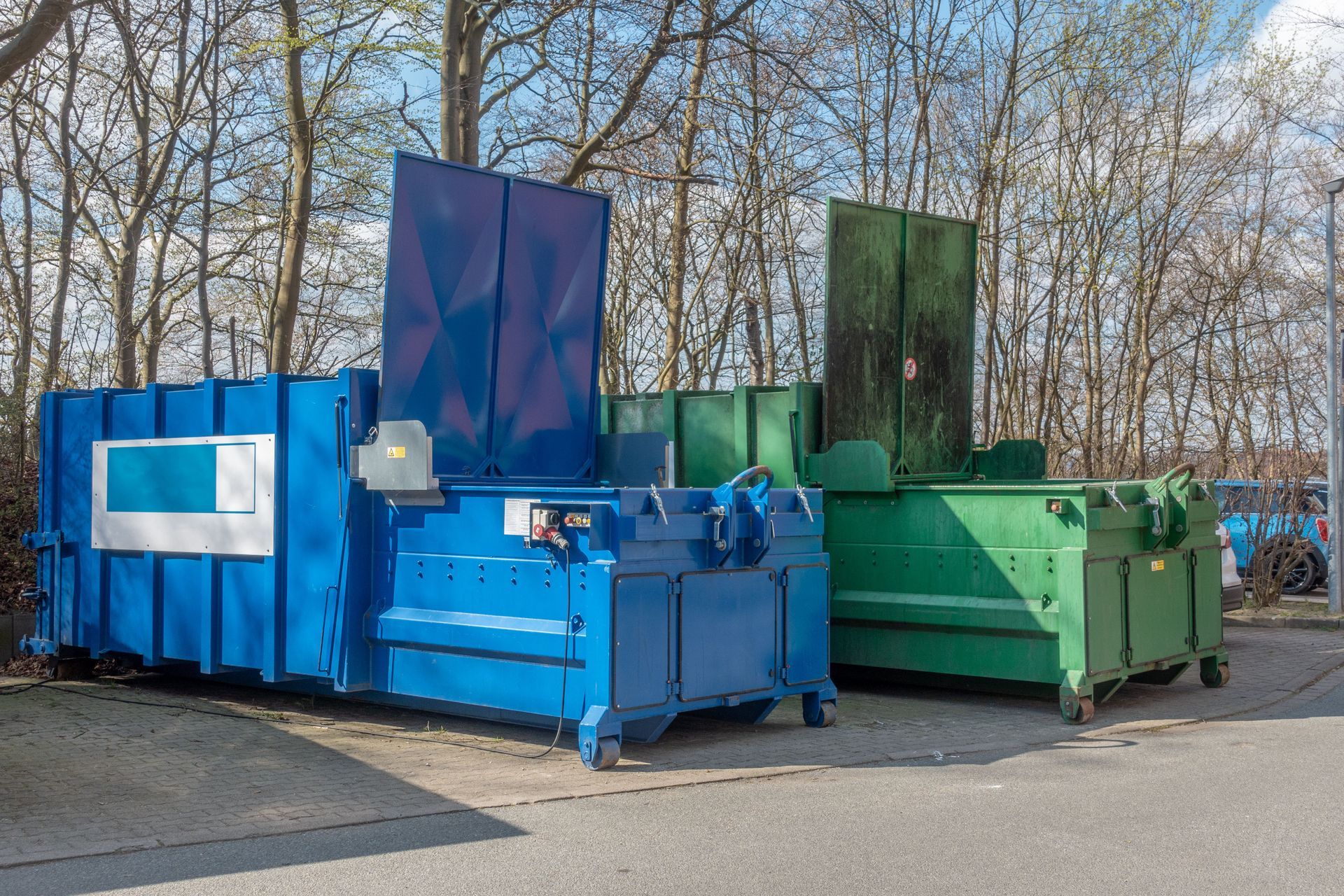
Many businesses select dumpster services based only on cost, without fully evaluating their waste needs. This can negatively affect commercial dumpster and trash pickup efficiency when the selected container is too small or poorly matched to usage levels. Overflow issues and frequent pickups can increase long-term operational costs. A more balanced approach ensures waste volume and service capacity remain aligned.
Underestimate Dumpster Size Requirements
Choosing a dumpster that is too small often leads to overflow and operational disruptions. This directly impacts commercial dumpster and trash pickup efficiency and can create unnecessary strain on daily operations. Proper sizing helps maintain cleaner work environments and reduces the need for constant adjustments. Businesses benefit from more stable and predictable waste handling when sizing is accurate.
Overestimate Dumpster Size Requirements
Some businesses choose larger dumpsters than they actually need, which results in underutilized capacity. This can make commercial dumpster and trash pickup less cost-effective over time. Evaluating actual waste output helps ensure resources are used efficiently. Proper alignment of size and usage supports smoother operations overall.
Utilization Of Recycling Opportunities
Neglect Segmentation Of Recyclable Materials
According to Rubicon, the United States produces enough trash to fill 63,000 garbage trucks on a daily basis. Failing to separate recyclable materials from general waste reduces efficiency and increases landfill use. This also affects commercial dumpster and trash pickup by increasing unnecessary disposal volume. Proper segregation supports more efficient material recovery and better overall waste management. Businesses improve operational flow when recycling is handled consistently.
Inconsistent Recycling Practices On Site
When recycling procedures are unclear or inconsistently followed, recyclable materials often end up in general waste streams. This reduces the effectiveness of commercial dumpster and trash pickup systems and increases overall waste volume. Clear internal procedures help ensure materials are properly separated. Consistency improves efficiency across all waste handling processes.
Fail To Partner With Recycling Services
Businesses that do not fully integrate recycling into their waste systems may miss opportunities to improve efficiency. This can indirectly affect commercial dumpster and trash pickup by increasing the amount of material sent to landfill. Structured recycling support helps streamline sorting and disposal processes. Better organization leads to more efficient overall waste handling.
Scheduling Of Pickup Frequency
Schedule Overly Frequent Pickups
Scheduling pickups too frequently can increase operational costs without providing additional benefit. This can also reduce the efficiency of commercial dumpster and trash pickup by creating unnecessary service cycles. Aligning schedules with actual waste output helps maintain balance. Businesses can improve efficiency by matching service frequency to real demand.
Schedule Infrequent Pickups
When pickups are scheduled too far apart, dumpsters may overflow and create disruptions. This reduces the effectiveness of commercial dumpster and trash pickup and can impact daily operations. Maintaining consistent service intervals helps prevent buildup and maintain cleanliness. Proper scheduling supports smoother workflows overall.
Management Of Waste Handling Practices
Mismanage Waste Disposal Requirements
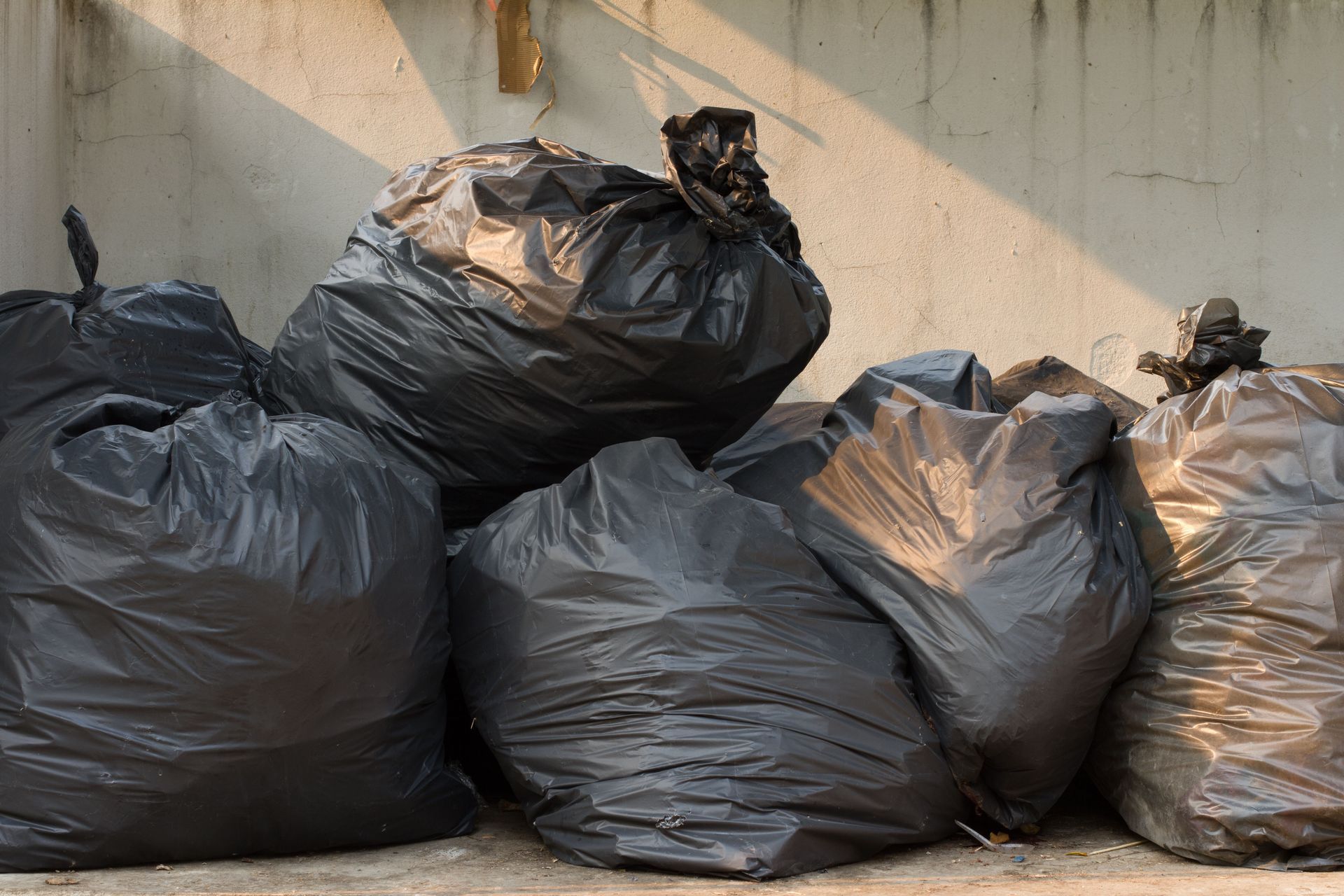
Improper handling of waste materials can create inefficiencies in disposal and storage. This can also affect commercial dumpster and trash pickup by making collection processes less organized. Proper placement of waste in designated containers helps maintain operational efficiency. Clear handling practices support smoother overall service performance.
Dismissing Environmental Considerations
Maintaining organized waste practices supports cleaner and more efficient operations. It also improves the effectiveness of commercial dumpster and trash pickup by reducing unnecessary waste buildup. Structured waste handling contributes to better workplace conditions. This helps businesses maintain more consistent operational flow.
Improper Disposal Of Restricted Materials
Certain materials require separate handling and should not be placed in standard dumpsters. Mismanagement of these materials can disrupt commercial dumpster and trash pickup processes. Proper separation ensures safer and more efficient waste handling. Businesses benefit from improved organization when materials are correctly sorted.
Impact Of Customer And Community
Cause Blockages For Customers
Poorly placed waste containers can obstruct customer access and disrupt movement around a business. This can indirectly affect commercial dumpster and trash pickup efficiency by creating access issues. Thoughtful placement helps maintain clear pathways and smoother operations. Better organization improves both functionality and customer experience.
Generate Noise Disruptions
Improper scheduling of waste collection can create noise disruptions for surrounding areas. This may affect commercial dumpster and trash pickup operations by interfering with optimal service timing. Careful scheduling helps minimize disturbances. Businesses benefit from more considerate operational planning.
Create Visual Clutter
Overflowing waste areas can negatively affect the appearance of a business location. This can reduce the effectiveness of commercial dumpster and trash pickup by indicating inconsistent management. Keeping waste areas clean supports a more organized environment. Better maintenance improves overall presentation and efficiency.
Effective waste management helps reduce unnecessary costs, improve day-to-day efficiency, and maintain cleaner, more organized work environments. By addressing common issues in dumpster selection, scheduling, recycling practices, and on-site handling, businesses can create more dependable and streamlined waste processes, including commercial dumpster and trash pickup. Paying attention to these details supports smoother operations and better overall site management while improving long-term efficiency.
To learn more about structured waste collection, dumpster rentals, recycling services, and commercial pickup options, Star Waste Systems provides solutions designed to support residential, commercial, and industrial needs.

Share On: