

The Impact of Local Curbside Trash Pickup on Recycling and Sustainability
Proper waste management plays a vital role in maintaining clean neighborhoods, protecting natural resources, and supporting healthier communities. While many people think of recycling and sustainability as individual responsibilities, organized collection systems make these efforts significantly more effective. Reliable waste collection helps ensure that recyclable materials are separated appropriately while reducing the likelihood of litter, pollution, and illegal dumping. As communities continue to prioritize environmental responsibility, dependable collection services remain an essential part of long-term sustainability initiatives.
Residents and businesses alike benefit when waste is handled efficiently and consistently. Convenient collection programs encourage greater participation in recycling efforts by making responsible disposal easier to incorporate into everyday routines. A dependable local curbside trash pickup program supports cleaner streets, protects public health, and contributes to environmental goals that benefit everyone. Understanding the broader impact of these services highlights why they are an important investment for communities seeking a more sustainable future.
Encouraging Responsible Waste Disposal
Convenient waste collection makes it easier for residents to dispose of everyday materials responsibly rather than allowing waste to accumulate or end up in unauthorized locations. When collection occurs on a dependable schedule, people are more likely to separate recyclables, dispose of household waste correctly, and follow community guidelines for proper waste management.
Accessibility also removes many barriers that might otherwise discourage participation in recycling efforts. Instead of requiring residents to transport materials elsewhere, curbside collection brings waste management directly to neighborhoods. This convenience encourages consistent habits that become part of everyday life.
Organized disposal programs also help reduce contamination within recycling streams. When collection systems provide clear expectations for acceptable materials, communities often experience improved recycling quality. Cleaner recycling loads increase the likelihood that collected materials can successfully be processed into new products rather than diverted to landfills.
Reliable collection services create an organized framework that supports responsible environmental practices without placing unnecessary burdens on households.
Supporting Higher Recycling Participation
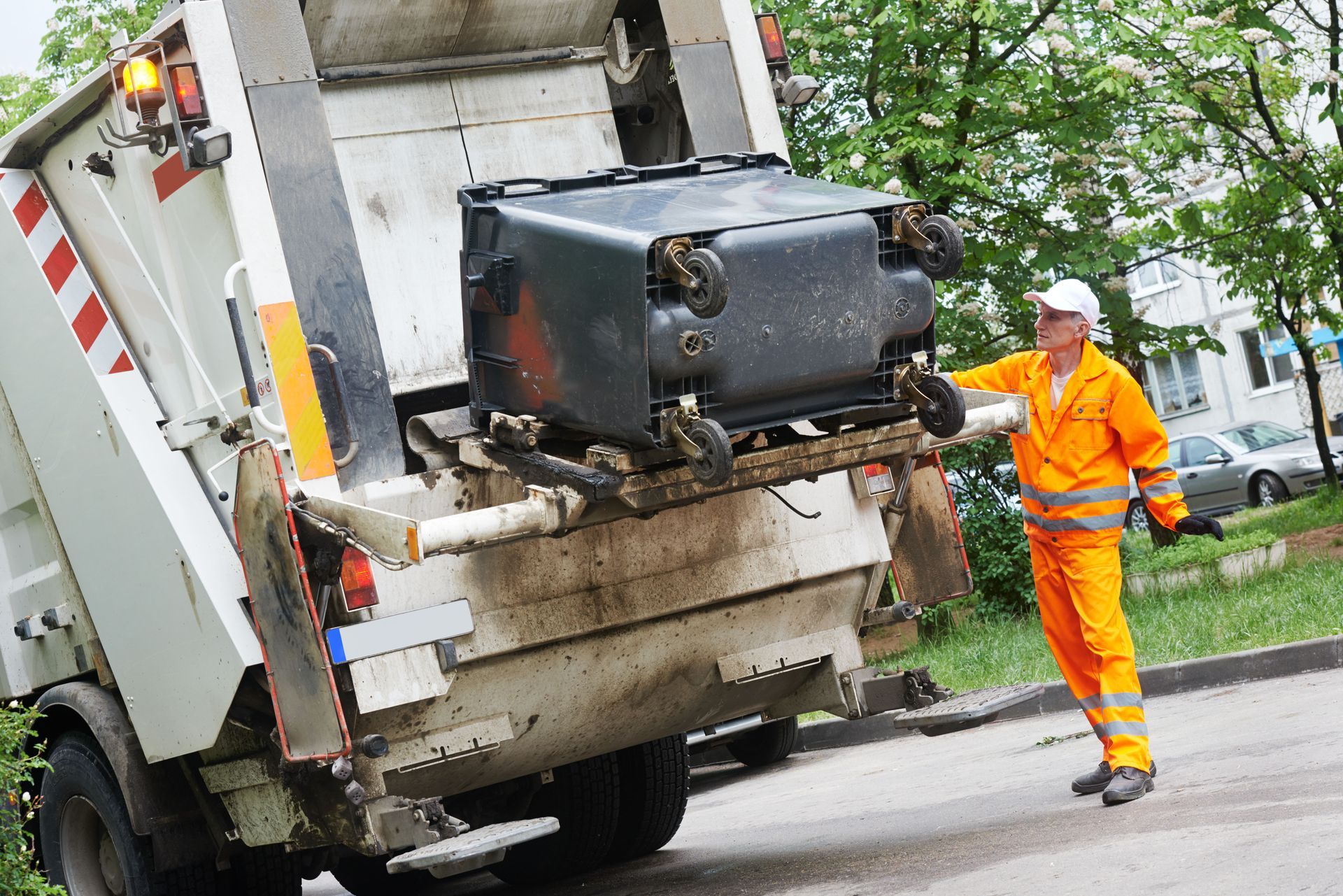
One of the greatest advantages of local curbside trash pickup is its ability to increase participation in recycling programs. People are generally more willing to recycle when the process is simple, convenient, and integrated into their regular waste collection schedule.
Accessible collection encourages households to separate recyclable materials consistently instead of placing everything into general waste containers. Over time, these small daily habits contribute to substantial environmental benefits across entire communities.
The value of organized recycling is reflected in national data. According to the EPA, nearly 94 million tons of municipal solid waste were recycled and composted as of 2018, representing a 32.1 percent recycling and composting rate. This demonstrates how established collection systems contribute to meaningful environmental progress when communities actively participate.
Consistent collection programs also allow municipalities to educate residents about acceptable recyclable materials. Better understanding leads to improved participation while reducing contamination that can limit recycling efficiency.
Reducing Environmental Pollution
Proper waste collection directly contributes to cleaner neighborhoods and healthier ecosystems. Without dependable collection services, discarded materials may accumulate in streets, parks, waterways, and vacant lots, creating both environmental and public health concerns.
Litter can travel through stormwater systems into rivers and lakes, where it threatens wildlife and damages natural habitats. Plastic materials, food waste, and other debris often remain in the environment long after improper disposal occurs.
Routine collection helps prevent overflowing containers and discourages illegal dumping that can create long-lasting environmental problems. By removing waste before it becomes scattered, organized collection programs help preserve community appearance while protecting nearby ecosystems.
Cleaner neighborhoods also foster greater community pride. Residents often take better care of public spaces when they consistently experience clean streets and properly maintained waste collection systems.
Conserving Valuable Natural Resources
Recycling succeeds only when recyclable materials are collected efficiently and transported to facilities capable of processing them. Organized waste collection provides the foundation for recovering valuable materials that would otherwise be lost through disposal.
Paper products, cardboard, certain plastics, glass, and metal all represent resources that can often be reused in future manufacturing processes. Recovering these materials helps reduce demand for newly extracted raw resources while supporting more sustainable production practices.
Efficient collection also reduces unnecessary waste entering landfills. As more recyclable materials are diverted through organized programs, communities maximize the value of products that still have a useful life beyond their original purpose.
Resource conservation benefits future generations by reducing the environmental strain associated with the continuous extraction of natural materials. Collection systems serve as the first critical step in keeping reusable resources within the recycling process.
Promoting Cleaner and Healthier Communities
Sanitation plays a major role in protecting public health. Regular waste removal limits the accumulation of garbage that may attract pests, create unpleasant odors, or contribute to unsanitary conditions throughout neighborhoods.
Household waste that remains uncollected for extended periods can become increasingly difficult to manage. Reliable collection schedules help maintain cleaner residential areas while supporting healthier living environments for families, businesses, and visitors alike.
Clean communities also improve the quality of life. Attractive neighborhoods encourage outdoor activities, strengthen local pride, and create welcoming environments that benefit residents and prospective businesses.
Public confidence often grows when waste management systems operate consistently. Residents recognize that dependable services contribute not only to environmental protection but also to overall community well-being.
Supporting Long-Term Community Sustainability
Sustainability requires ongoing commitment rather than isolated efforts. Local curbside trash pickup provides essential infrastructure that helps communities maintain environmentally responsible practices over time.
Consistent collection services support broader sustainability goals by reducing waste, encouraging recycling participation, and protecting natural resources. These programs work alongside public education initiatives, environmental planning, and community partnerships to create lasting improvements.
Reliable waste collection also helps communities prepare for future growth. As populations expand, organized systems become increasingly important for managing larger volumes of residential and commercial waste without sacrificing environmental responsibility.
Long-term sustainability depends on maintaining systems that remain effective, adaptable, and accessible. Waste collection serves as one of the foundational public services that support these objectives every day.
Strengthening Community Environmental Awareness
Beyond collecting waste, local curbside trash pickup helps reinforce environmental awareness throughout the community. Regular collection schedules serve as ongoing reminders that proper waste management is a shared responsibility rather than an occasional task.
As residents become more familiar with recycling guidelines and proper disposal practices, environmentally responsible habits often extend into other areas of daily life. Families may begin reducing unnecessary waste, choosing recyclable products, or paying greater attention to sustainable purchasing decisions.
Educational outreach provided alongside collection programs can further improve participation. Simple reminders about sorting materials correctly or reducing contamination help residents understand how their individual actions contribute to larger environmental goals.
Over time, communities that embrace organized waste collection often develop stronger cultures of environmental stewardship. This shared commitment creates lasting benefits that extend well beyond waste management alone.
Building a More Sustainable Future
The long-term success of environmental initiatives depends on practical systems that encourage consistent participation from residents and businesses alike. Local curbside trash pickup provides an accessible solution that supports recycling, reduces pollution, conserves valuable resources, and promotes healthier communities through dependable waste management.
As communities continue working toward sustainability goals, reliable collection services remain an essential part of everyday environmental responsibility. Every properly collected container represents another opportunity to reduce unnecessary waste while supporting cleaner neighborhoods for future generations.
When dependable waste collection is combined with informed recycling practices, the positive impact extends throughout the entire community. If you are looking for dependable waste management solutions, contact Star Waste Systems today. Together, we can support cleaner neighborhoods, stronger recycling efforts, and a more sustainable future through reliable local curbside trash pickup.

Share On: