

Why Residential Curbside Trash Services Are Essential for Modern Waste Management
Modern waste management represents one of the most critical public infrastructure challenges facing growing municipalities. As population densities climb and consumer habits evolve, the sheer volume of refuse generated by households threatens to outstrip traditional disposal methods. Without structured, dependable collection mechanisms, urban and suburban areas face mounting sanitary hazards, environmental degradation, and resource depletion. Implementing consistent residential curbside trash services provides communities with the foundational framework required to collect, sort, and process household waste efficiently. These systems bridge the gap between domestic responsibility and regional sustainability goals, transforming an overwhelming municipal operational burden into a streamlined, predictable process that protects both public welfare and surrounding ecosystems.
Diverting Solid Refuse from Landfills
Diverting solid refuse away from ever-shrinking regional landfills is essential for sustainable community growth. Unchecked landfill expansion consumes valuable geographic acreage, destroys natural habitats, and creates persistent environmental liabilities for surrounding neighborhoods. Residential curbside trash services address this challenge at the source by organizing waste streams before they ever reach municipal processing facilities.
The sheer volume of consumer waste generated nationwide highlights why organized collection is indispensable. According to Connecticut's official state website, the state's estimated average rate of waste disposal is 740 pounds per person per year. Managing such substantial volumes without structured pickup schedules leads to localized dumping and severe strain on transfer stations. By deploying designated refuse containers and establishing reliable collection timetables, municipalities can systematically monitor disposal volumes, optimize landfill space, and extend the functional lifespan of existing containment facilities.
Expanding Recycling and Composting Initiatives
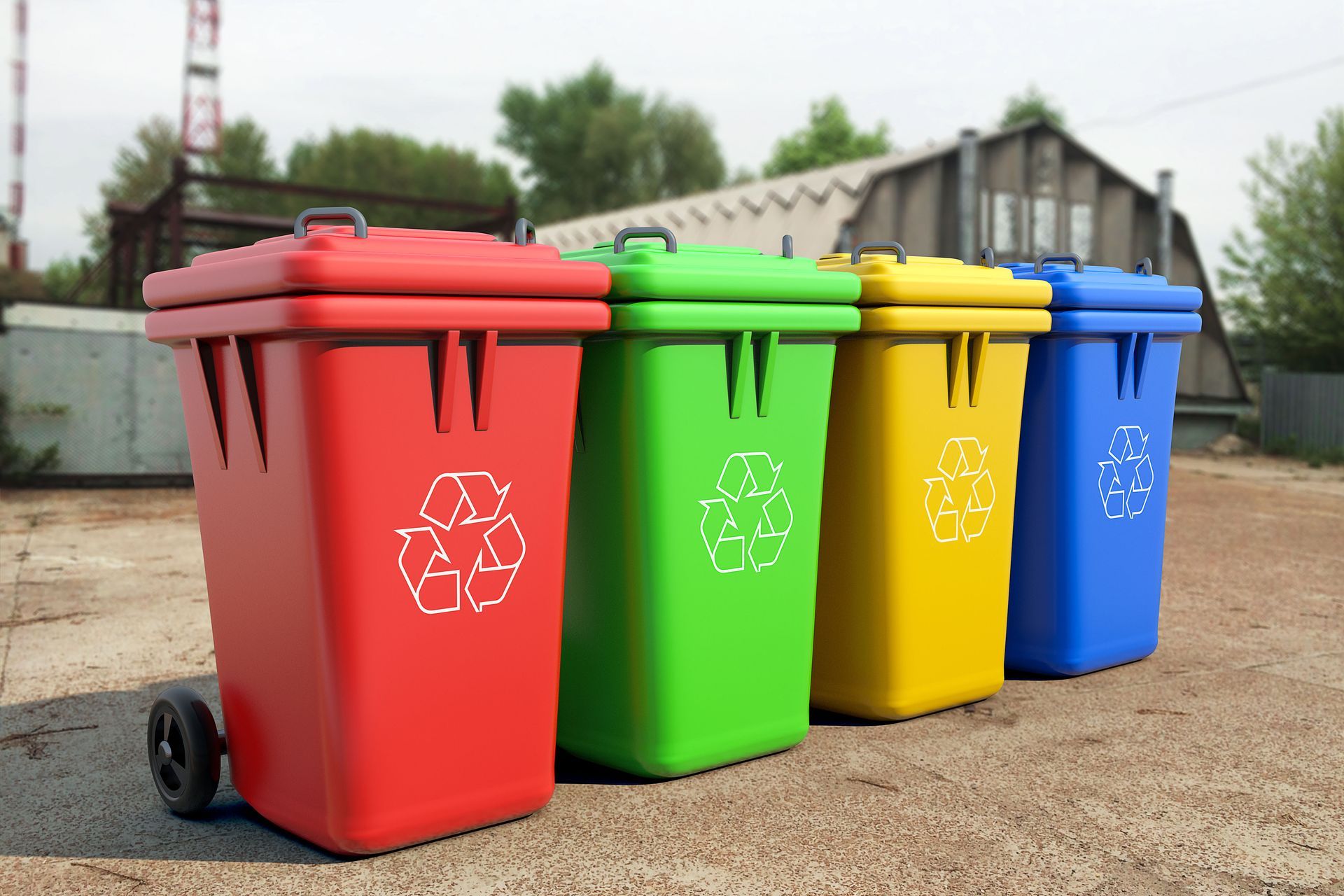
Beyond collecting standard household refuse, modern waste management relies heavily on integrating dedicated diversion programs. When collection programs offer multi-stream pickups, residents can seamlessly separate recyclable plastics, glass, metals, and organic materials from basic municipal solid waste. Diverting organics toward industrial composting operations removes massive volumes from disposal streams and returns nutrient-dense matter back to local agriculture.
Simultaneously, capturing high-value recyclables reduces the industrial demand for virgin raw materials, cutting the heavy energy consumption associated with manufacturing. Accessible pickup infrastructure removes participation barriers for households, turning routine waste sorting into a standard civic habit. As participation rates increase, the resulting volume of clean, sorted material strengthens domestic circular economies and ensures that usable commodities are repurposed rather than permanently discarded.
Lowering Carbon and Greenhouse Emissions
Effective waste management plays a direct role in mitigating global climate change by curbing harmful atmospheric releases. When organic matter decomposes anaerobically beneath compacted landfill soil, it generates enormous quantities of methane, a greenhouse gas significantly more potent than carbon dioxide. Utilizing structured residential curbside trash services minimizes these subterranean emissions by diverting biodegradable substances toward composting facilities and optimizing landfill operating conditions.
Furthermore, organized collection systems drastically reduce vehicular emissions compared to ad-hoc, individual trips to local transfer stations. Modern collection fleets employ advanced computerized route optimization technologies, decreasing overall fuel consumption, vehicle idle times, and urban air pollutants. These coordinated transportation efficiencies work in tandem with regional sustainability initiatives to ensure that municipal carbon reduction targets are met.
Maintaining Cleaner Neighborhood Spaces
The physical appearance of a neighborhood directly influences the safety, social cohesion, and mental well-being of its residents. Uncollected residential waste deteriorates residential aesthetics, fosters neighborhood blight, and discourages outdoor physical recreation. Systematic collection prevents the visual clutter and unhygienic conditions that emerge when trash bins sit overflowing for extended periods.
When streets remain tidy and free of scattered domestic refuse, communities experience a heightened sense of civic pride and shared responsibility. Attractive, orderly streetscapes also improve property values and attract commercial investments, ensuring that residential neighborhoods remain vibrant, desirable places to live and work. Consistent waste removal establishes a baseline of municipal order that deters disorder, elevates daily living standards, and fosters thriving residential environments.
Preventing Urban Litter and Waterway Pollution
Unmanaged refuse frequently escapes into regional ecosystems, creating persistent environmental contamination that harms local wildlife and urban drainage networks. Loose garbage stored on properties easily blows into municipal gutters, culverts, and storm drains during heavy rainfall. This debris causes severe drainage blockages that exacerbate localized street flooding and wash toxic residues into natural waterways, rivers, and marine reserves.
Comprehensive residential curbside trash services provide households with durable, lidded receptacles designed to withstand high winds and deter scavengers. Keeping refuse securely enclosed until mechanical collection prevents loose plastics and synthetic debris from entering local waterways. Protecting municipal stormwater systems through scheduled collection not only preserves surrounding aquatic habitats but also spares cities from expensive civil engineering interventions to clear clogged drainage systems.
Maximizing Long-Term Municipal Savings
Investing in centralized waste collection provides significant financial benefits that reinforce local municipal budgets. Relying on disorganized disposal methods or reactionary clean-up programs forces municipalities to incur unpredictable emergency expenses, regulatory penalties, and excessive equipment maintenance costs. Standardized residential curbside trash services allow local governments to optimize transportation logistics, negotiate competitive bulk processing agreements, and streamline resource deployment.
Diverting usable materials through integrated collection also lowers municipal tipping fees paid at regional landfill scales. The operational efficiencies realized through automated collection trucks further reduce municipal labor overhead and long-term worker compensation liabilities. By stabilizing recurring sanitary budgets, local governments can allocate critical public revenue toward infrastructure improvements, recreational parks, emergency services, and education.
Stimulating Local Employment Opportunities
Establishing and maintaining professional waste collection programs serves as an engine for stable domestic economic development. Modern curbside collection programs create a diverse array of employment opportunities, ranging from commercial vehicle operators and route technicians to mechanics, logistics coordinators, and customer support representatives.
Furthermore, secondary processing facilities—such as materials recovery facilities, composting centers, and transfer stations—require specialized staff to sort, process, and redistribute recovered materials. These municipal waste positions generally offer competitive wages, comprehensive benefits, and dependable career development that cannot be offshored. The wages paid to local collection personnel circulate directly back into neighborhood economies, supporting small businesses, grocery stores, and local service providers. Consequently, building a professional collection infrastructure strengthens regional workforce resilience while ensuring high-quality public service delivery.
Minimizing Biological Disease Vectors
Unmanaged household refuse constitutes an immediate hazard to human health by serving as a fertile breeding ground for hazardous biological disease vectors. Exposed domestic refuse rapidly attracts houseflies, cockroaches, feral pests, and rodent populations, which carry virulent pathogens like hantavirus, Salmonella, and leptospirosis. Inadequate waste containment near residential properties increases direct vector contact with families and domestic pets.
Regular residential curbside trash services interrupt the breeding cycles of pests by enforcing mandatory containment and frequent, predictable removal intervals. Removing organic waste prior to advanced decomposition deprives vermin of sustenance, systematically reducing neighborhood pest infestations without necessitating aggressive chemical extermination measures. Safeguarding neighborhoods from vector-borne disease outbreaks reduces community healthcare expenditures and protects vulnerable demographic groups.
Eliminating Dangerous Household Hazards
Proper disposal protocols prevent domestic hazardous substances from contaminating residential environments and posing risks to municipal workers. Modern homes routinely generate hazardous waste, including lithium batteries, electronic devices, chemical cleaners, solvents, paints, and automotive fluids. When these toxic compounds are mixed indiscriminately into standard garbage bins, they risk puncturing, combusting, or leaching caustic fluids onto streets and into municipal aquifers.
Professional residential curbside trash services incorporate structured guidelines, clear labeling, and dedicated collection events to handle specialized waste streams securely. Ensuring that residents have accessible channels to dispose of dangerous items prevents accidental poisonings, domestic fires, and hazardous chemical spills. Dedicated management protects collection crews from severe occupational hazards while preserving local ecological balance. To experience dependable, environmentally conscious waste collection that elevates your community's safety and cleanliness, partner with the trusted professionals at Star Waste Systems.
Share On: