

A Comprehensive Guide to Roll-Off Waste Services
Large waste projects require more planning than ordinary household disposal. Whether the work involves a residential cleanout, a construction site, a commercial property, or an industrial location, the right waste service can help keep debris contained and removal organized. Roll-off waste services are designed for larger volumes that do not fit the routine flow of curbside trash pickup, making them useful for projects that need a dedicated container and scheduled hauling.
What Roll-Off Waste Services Are
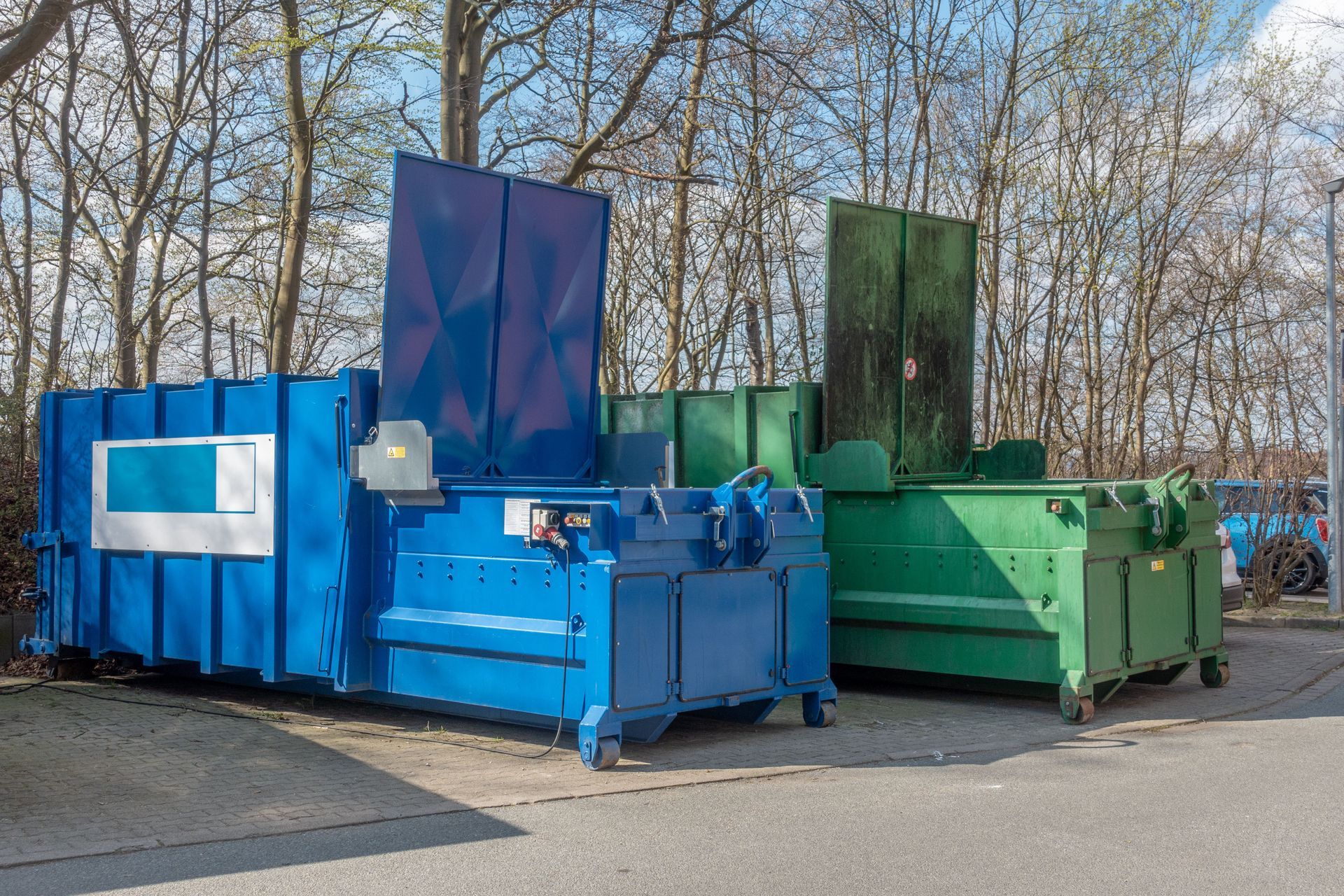
Roll-off waste services use open-top containers that are delivered to a property, filled during a project, and picked up when the container is ready for removal. These containers are commonly used when waste volume is too large or too concentrated for standard collection methods. They can support one-time projects as well as recurring service needs, depending on the property, business, and project schedule.
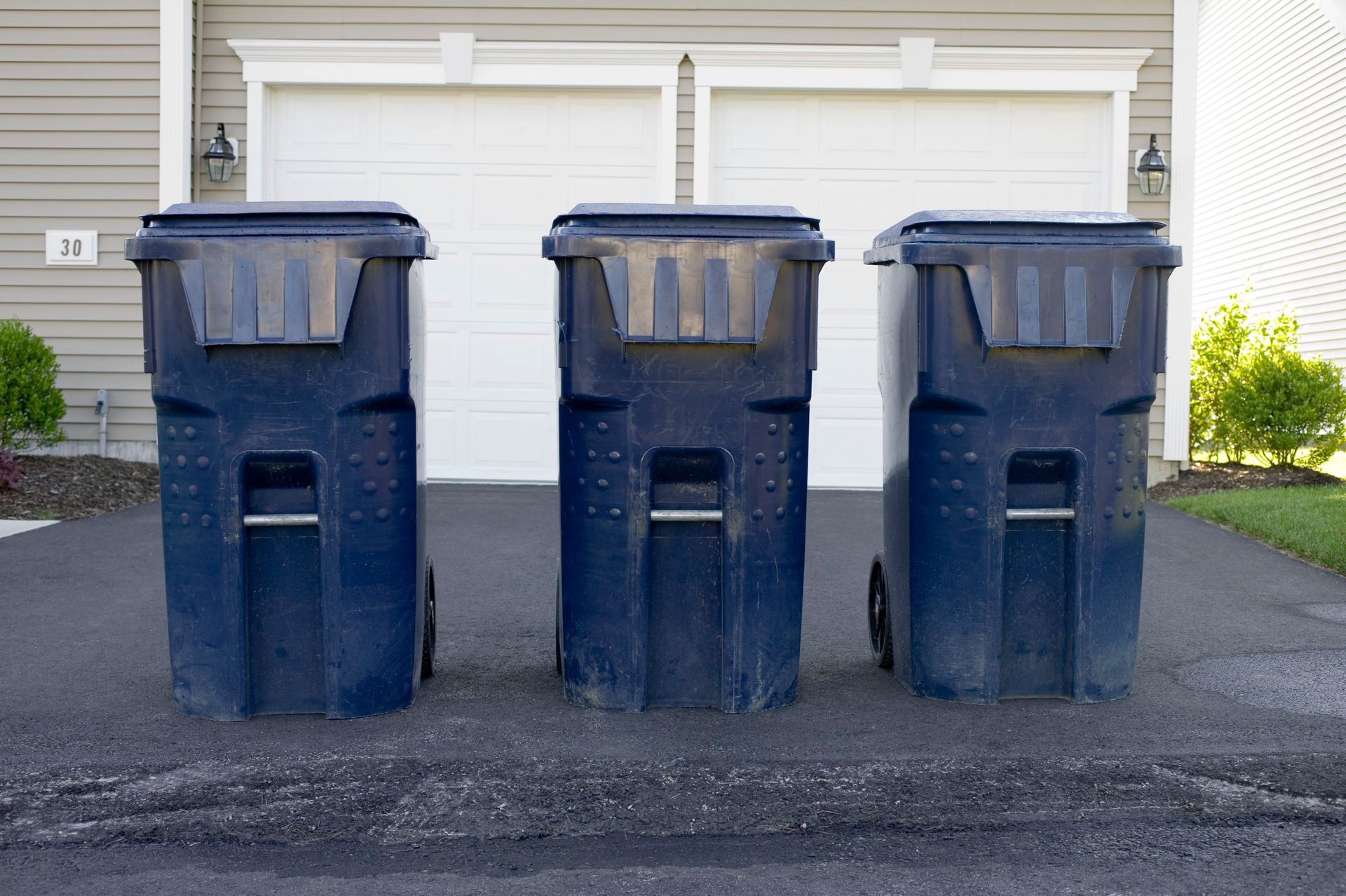
Unlike curbside trash pickup, which is typically designed for regular household waste, roll-off service is better suited for large cleanouts, construction sites, and other projects that generate significant debris. The container stays on-site during the rental or service period, giving property owners and project managers a central place to collect materials. This helps reduce scattered debris and keeps the work area easier to manage.
Who Uses Roll-Off Waste Services?
Roll-off waste services can support residential, commercial, and industrial customers. Homeowners may need a roll-off container for a major cleanout, move, garage cleanup, or property improvement project. Businesses may need roll-off service when waste output increases beyond normal collection needs. Industrial customers may require customized solutions when waste volume, site access, or scheduling demands are more complex.
These services are also useful for businesses of different sizes because container needs can vary widely. A small business may need a one-time roll-off during a renovation or inventory cleanout, while a larger operation may need weekly service to keep waste moving consistently. The main benefit is flexibility. Roll-off service can be matched to the scale of the project rather than forcing every customer into the same disposal plan.
How Roll-Off Services Fit Into Waste Management
Waste management often involves more than one type of collection. Some properties rely on curbside trash pickup for routine household waste, while larger projects need roll-off containers for concentrated debris. Commercial and municipal programs may also use front-load, rear-load, recycling, bulk waste, or other collection options depending on the community or property type.
According to IBISWorld, the waste collection services industry in the United States includes 19,829 businesses. That number reflects how many different waste needs exist across homes, towns, construction sites, commercial properties, and industrial locations. Because waste volumes and disposal requirements vary, it is important to choose a service format that matches the project instead of relying on a general collection approach.
Roll-off services work best when the debris is project-based and needs to be removed in larger quantities. For example, a household may continue using curbside trash pickup for regular weekly disposal while arranging a roll-off container for a large cleanout. A business may use standard collection for day-to-day waste and a roll-off container when a temporary project creates additional volume.
What to Consider Before Scheduling a Roll-Off Container
Before scheduling roll-off service, it helps to understand the type of project, expected waste volume, and the amount of space available for container placement. Delivery and pickup access are important because the container must be placed in a location that allows safe loading and removal. Driveways, lots, work areas, and commercial sites may each require different placement considerations.
Timing also matters. Some customers need a one-time container for a short project, while others need weekly service for ongoing waste generation. Convenient scheduling helps keep the project moving without letting debris pile up. Same-day delivery may also be helpful when a project begins quickly or when waste volume increases sooner than expected.
Container size should be based on the type and amount of debris expected. A container that is too small may require extra pickups, while one that is too large may take up unnecessary space. A quote process can help clarify service needs before delivery, especially for commercial or industrial properties where waste volume may be less predictable.
Coordinating Roll-Offs With Other Collection Services
Roll-off service is often most effective when it is coordinated with the other collection services a property already uses. A household may have regular curbside trash pickup for everyday waste, recycling for approved materials, and a roll-off container for a temporary cleanout. Keeping those streams separate helps the larger project stay organized without interrupting routine disposal.
Businesses may also need more than one service format. A commercial property with steady waste output may use front-load or rear-load collection for routine needs and roll-off service for seasonal cleanouts, large projects, or increased debris volume. Municipal programs may combine residential waste collection, recycling, and bulk waste disposal to meet community needs. Matching each service to the right waste stream helps avoid confusion and improves overall efficiency.
Why Proper Waste Separation Matters
Not all materials should be handled the same way. Typical household trash, recyclables, yard waste, bulk items, electronics, and materials requiring special handling may each be subject to local rules. Even when a roll-off container is available, customers should understand what can go into it and what may require another disposal method.
This is one reason communication is important before service begins. A provider can explain preparation guidelines, collection limits, and materials that should be handled according to local regulations. These conversations help reduce service disruptions and support safer waste handling. They also help customers decide whether a roll-off container, recycling service, bulk disposal option, or curbside trash pickup is the better fit for a specific need.
How Roll-Off Services Support Cleaner Project Sites
Large projects can become difficult to manage when debris is spread across the property. Roll-off containers provide a designated location for waste, which can help improve organization during construction, cleanouts, and other major projects. Keeping debris contained also supports a cleaner appearance for residential, commercial, and industrial sites.
Roll-off service can also help reduce delays. When waste is not removed on a practical schedule, it can interfere with movement, loading, access, and ongoing work. Prompt delivery and pickup allow the project to continue with fewer waste-related interruptions. For businesses, this can also support a cleaner and more compliant work environment.
Choosing Between One-Time and Ongoing Service
Some waste needs are temporary. A homeowner may only need a container for a single cleanout, while a contractor or business may need service for the length of a specific project. In those cases, one-time roll-off service can provide enough support without creating an unnecessary long-term arrangement.
Others benefit from ongoing or weekly service. Commercial, industrial, and municipal waste needs can be more consistent, especially when a property regularly generates higher waste volumes. A customized plan can help determine whether roll-offs, front-load service, rear-load service, recycling, bulk waste disposal, or curbside trash pickup should be part of the overall waste management approach.
Roll-off waste services help residential, commercial, and industrial customers manage larger waste volumes through container delivery, pickup, and flexible scheduling. Star Waste Systems provides roll-off waste services, dumpster rentals, residential waste and recycling services, municipal waste programs, commercial front load and rear load services, and curbside trash pickup. For projects that generate significant debris, the right service plan can make waste removal more organized, efficient, and manageable.

Share On: