


What New Homeowners Should Know About Their Residential Curbside Trash Service
Moving into a new home comes with a long list of responsibilities, from setting up utilities to maintaining the property. One important task that is sometimes overlooked is to understand how household waste collection works. Learning the rules and expectations for your neighborhood helps you avoid missed pickups, overflowing containers, and unnecessary inconvenience.
A dependable residential curbside trash service makes it easier to keep your property clean while supporting a healthier community. Understanding your provider's policies from the beginning allows you to make the most of the service, avoid unnecessary disruptions, and establish good waste management habits that will benefit your household for years to come.
Understanding the Basics of Your Service
Knowing Your Collection Schedule
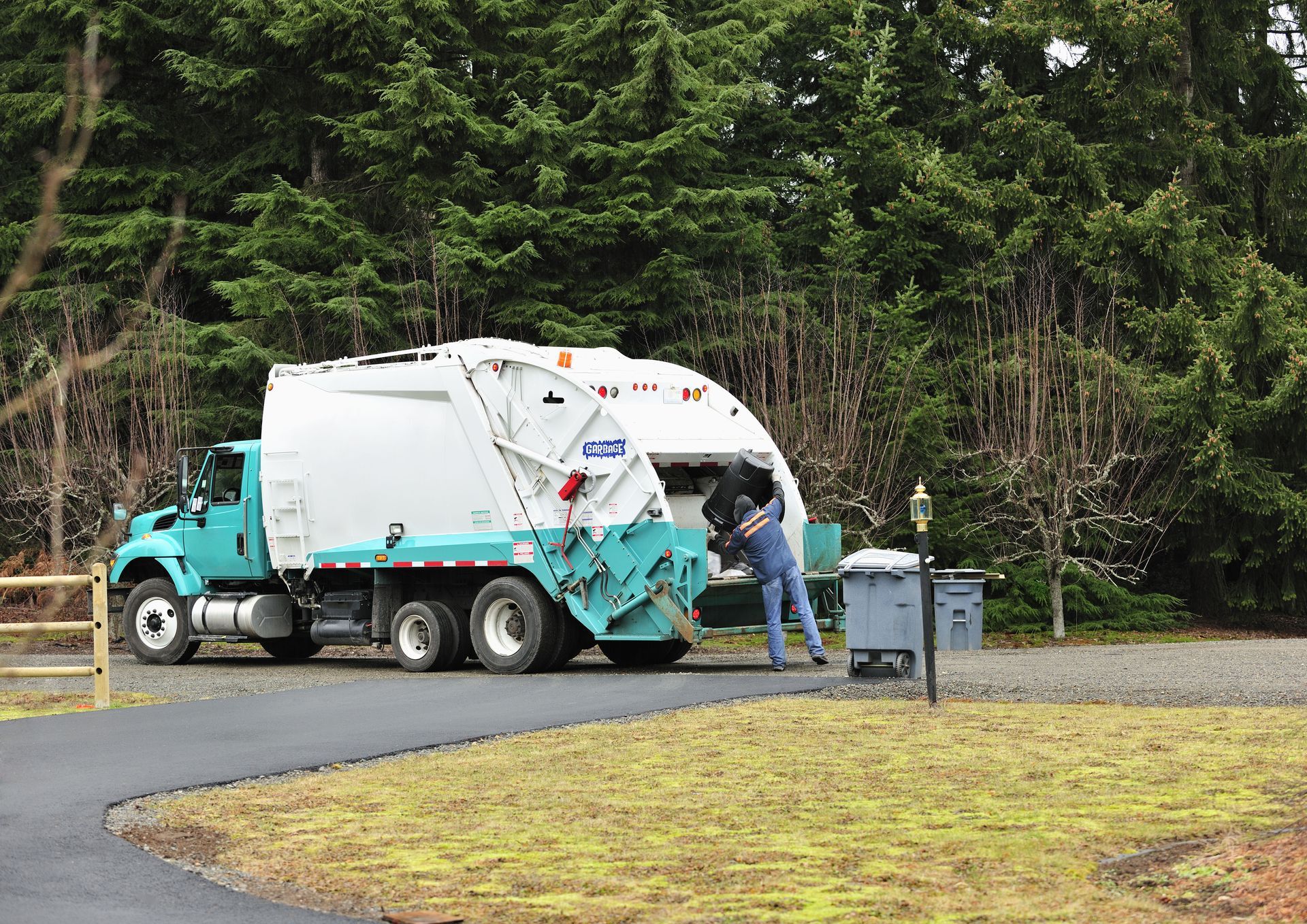
One of the first things every new homeowner should do is learn the collection schedule for trash and recycling. Many providers collect household waste every week, while recycling may occur every other week. Becoming familiar with these schedules prevents containers from sitting at the curb longer than necessary and helps you avoid missing collection days.
It is equally important to understand when your containers should be placed outside. Many residential collection companies ask customers to have their bins curbside by early morning on the scheduled pickup day. Even if collection normally occurs later in the day, having everything ready before the route begins ensures your materials will not be missed if the truck arrives earlier than expected.
Weather, holidays, and other circumstances can occasionally affect collection routes. Reputable companies often notify customers when delays occur, allowing homeowners to adjust expectations and leave their containers accessible until service is completed. Staying informed about these updates from your residential curbside trash service helps prevent unnecessary concerns about delayed pickups.
Using the Correct Containers
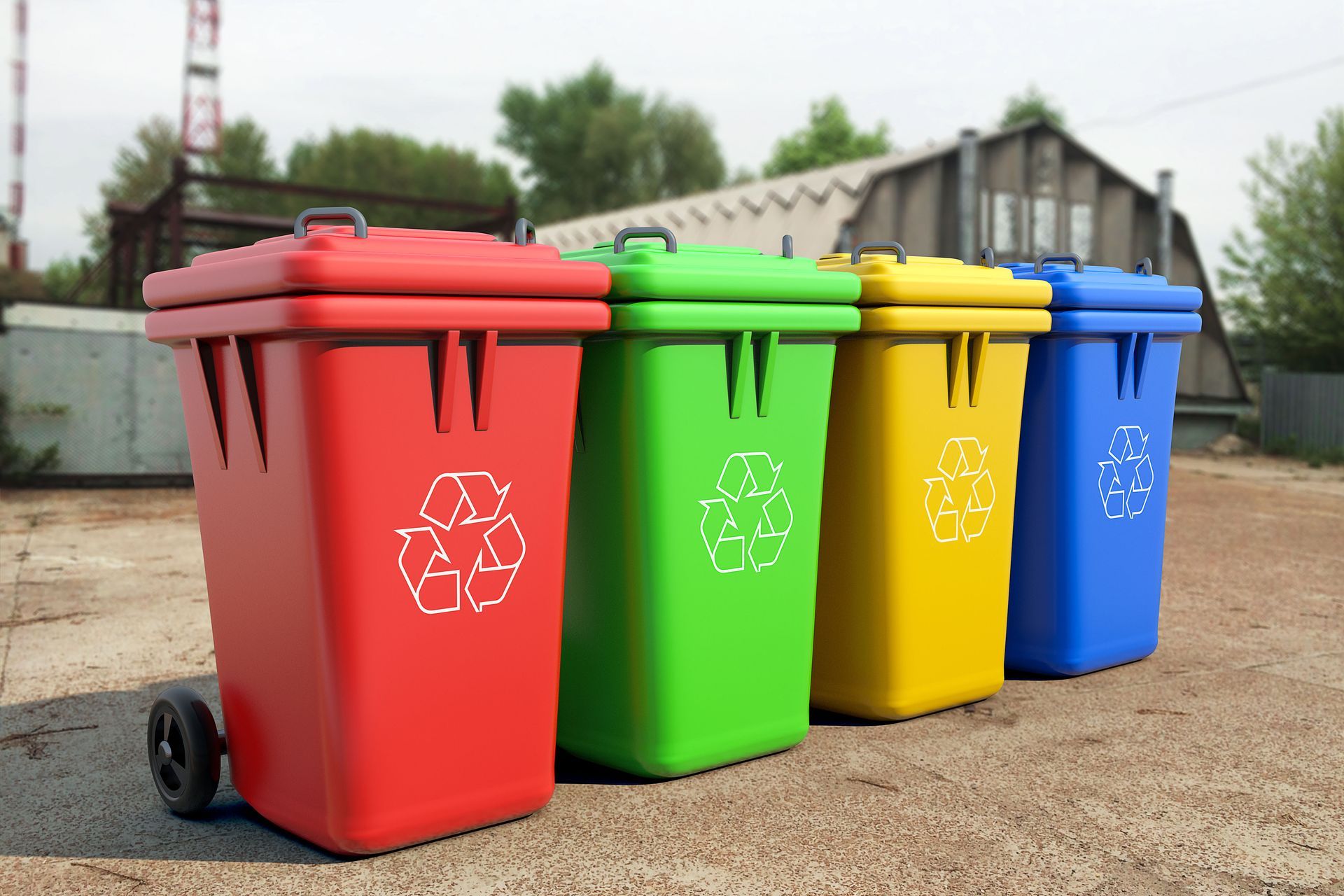
Most waste providers supply standardized carts designed to make collection safer and more efficient. These containers are sized to accommodate typical household waste while allowing collection crews to empty them properly. Using the designated carts also helps reduce litter caused by loose trash blowing around neighborhoods.
Keeping all trash completely inside the container is another important guideline. Overfilled carts with lids that cannot close properly may attract pests, create unpleasant odors, or allow debris to scatter during windy conditions. If your household regularly produces more waste than your container can hold, many providers offer larger or additional carts for an extra fee.
Recycling containers often differ from trash carts to make sorting easier during collection. Understanding which container should be used for each type of material helps prevent contamination that could interfere with recycling efforts.
Following Proper Waste Disposal Guidelines
Separating Trash and Recycling Correctly
A successful residential curbside trash service depends on homeowners sorting materials appropriately before collection day. Household garbage and recyclable materials should remain separate so recyclable items can be processed instead of ending up in landfills.
Many communities use single-stream recycling programs that allow paper, cardboard, metal, and certain plastics to be placed together in one recycling cart. However, these materials should be clean and loose inside the container rather than bundled in plastic bags. Food residue, excessive moisture, or bagged recyclables can reduce the effectiveness of the recycling process.
Taking a few extra moments to rinse containers and flatten cardboard boxes can maximize available space while making recyclable materials easier to process. These simple habits benefit both homeowners and the broader community.
Understanding What Cannot Be Collected
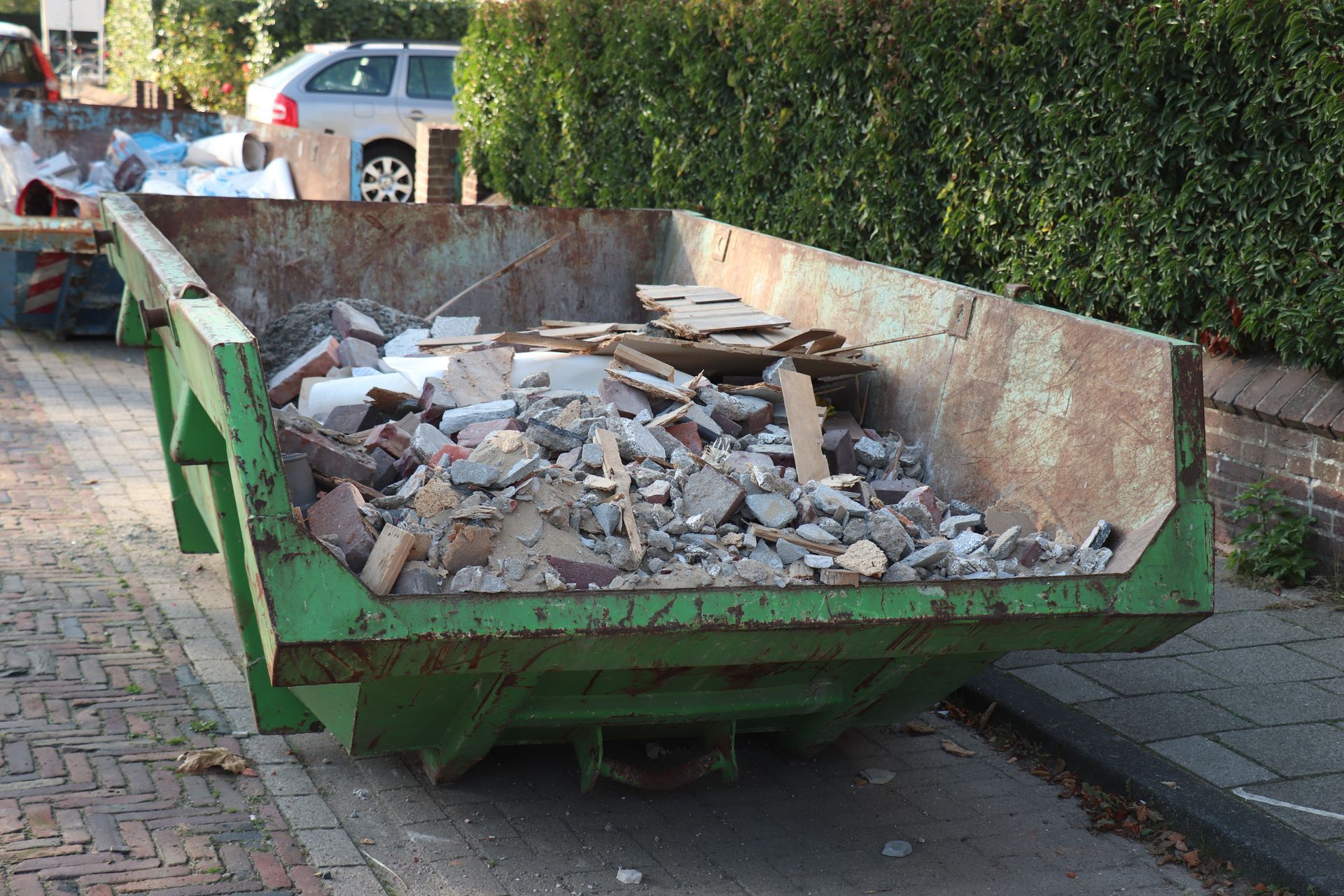
Not everything generated around the home belongs in your regular household trash container. Many providers prohibit yard waste, construction debris, hazardous chemicals, automotive fluids, paint, batteries, and similar materials because they require specialized handling and disposal methods.
Certain bulky household items also require advance scheduling before collection. Furniture, mattresses, box springs, appliances, and large metal items often involve additional fees or separate pickup appointments. Contacting your provider ahead of time prevents these materials from being left behind on collection day.
If your family generates extra waste after moving, remodeling, or hosting a large gathering, many companies allow customers to arrange additional collections. Following these procedures helps collection crews work efficiently while keeping neighborhoods neat and safe.
Preventing Common Collection Problems
New homeowners occasionally experience missed pickups because simple preparation steps were overlooked. Containers blocked by parked vehicles, hidden behind fences, or placed too close to other objects may be inaccessible for collection equipment.
Excess trash placed outside the designated container without prior approval may also remain behind if the provider requires advance notification for additional materials. Reviewing your company's policies before collection day helps eliminate these common issues.
Keeping lids fully closed, avoiding overweight containers, and placing carts in the recommended location all contribute to smoother residential curbside trash service. These small efforts reduce delays while allowing collection crews to complete routes efficiently throughout the neighborhood.
Proper waste disposal is more important than many American homeowners realize because the amount of household waste generated each year is substantial. According to Rubicon, Americans generate nearly 12% of the world's total waste, making responsible disposal and recycling practices an important part of reducing environmental impacts in U.S. communities. Understanding your collection provider's guidelines helps ensure that trash and recyclable materials are handled appropriately from the curb onward.
Getting the Most Value From Your Service
Planning for Seasonal Changes
Household waste volumes often increase throughout the year. Holidays, home improvement projects, landscaping activities, and family gatherings can all produce significantly more trash than usual. Preparing for these periods allows homeowners to avoid overflowing containers and unnecessary clutter.
Many companies provide options for scheduling additional pickups or arranging special collections when waste volumes temporarily exceed normal capacity. Taking advantage of these services helps maintain a clean property even during busy seasons.
Seasonal weather can also affect collection schedules. Heavy snow, severe storms, or hazardous road conditions occasionally require route adjustments. Remaining flexible and following provider updates ensures your waste will be collected as soon as conditions safely allow.
Communicating With Your Provider
Good communication helps homeowners receive the greatest benefit from their residential curbside trash service. Customer service representatives can answer questions about accepted materials, explain collection schedules, arrange special pickups, or assist with replacing damaged containers.
Many providers also maintain online customer portals or phone support that allows residents to request additional services, report missed collections, or update account information. Using these resources helps resolve issues quickly while minimizing disruptions.
If your household's needs change over time, discussing available service options can ensure your waste collection continues to match your lifestyle. Whether you need additional recycling capacity or occasional bulky item pickups, communicating early makes scheduling much easier.
Developing Good Household Habits
Consistent routines make waste management far less stressful. Designating indoor containers for trash and recycling encourages every member of the household to dispose of materials properly throughout the week instead of waiting until collection day.
Breaking down cardboard boxes, reducing unnecessary packaging, and avoiding contamination of recyclable materials all contribute to more efficient waste handling. These habits also help maximize available container space, reducing the likelihood of overflowing carts.
Choosing a dependable residential curbside trash service gives homeowners confidence that waste will be collected consistently, but responsible participation from residents remains equally important. Following established guidelines helps collection crews operate efficiently while supporting cleaner streets and healthier neighborhoods.
Learning how your waste collection program operates is an important part of becoming a responsible homeowner. Understanding pickup schedules, using the proper containers, following disposal guidelines, and communicating with your provider all contribute to a smoother experience throughout the year.
A reliable residential curbside trash service offers more than simple convenience. It helps protect your property, keeps neighborhoods cleaner, supports responsible recycling practices, and provides dependable collection when you need it most. By developing good waste management habits from the start, new homeowners can enjoy a cleaner home while helping create a more attractive community for everyone. For more expert information on residential curbside trash pickup, reach out to Star Waste Systems!

Share On: