


How Communities Can Improve Their Approach to Curbside Trash Pickups
A well-organized waste management system forms the backbone of a healthy, vibrant neighborhood. Every week, fleets of collection trucks navigate residential streets to gather municipal solid waste, safeguarding public health and preserving local aesthetics. However, as suburban areas expand and consumer consumption patterns shift, the volume of discarded materials continues to increase. Many municipalities face rising operational demands, litter spillovers, and environmental compliance challenges. In response, local leaders and residents alike are seeking smarter, more resilient methods to coordinate routine services. Enhancing local curbside trash pickups requires a comprehensive strategy that blends community education, standardized containment, and strategic collection planning.
When neighborhoods work together with their waste removal partners, the resulting improvements extend far beyond empty bins. Cleaner streets reduce pest infestations, enhance storm drain safety, minimize vehicular emissions, and foster greater civic pride. Reimagining neighborhood sanitation requires examining every component of collection day, from the initial placement of household bins to the routing of collection vehicles. By adopting progressive practices, towns can create cleaner, safer, and significantly more sustainable living spaces for everyone.
Evaluating Current Collection Practices
Before establishing new guidelines, community administrators must understand the specific patterns and weaknesses within their existing collection framework. Outdated collection routines often contribute to uncollected refuse, damaged street surfaces, and neighborhood frustration.
Assessing Household Disposal Volumes
A clear understanding of neighborhood waste generation helps haulers design appropriate pickup schedules and vehicle capacities. Changes in home dining, e-commerce packaging, and seasonal yard work dramatically influence the amount of refuse left at the curb. According to Connecticut's official state website, an individual generates an approximate yearly disposal volume of 740 pounds of waste. When multiplied across hundreds or thousands of homes in a suburban district, this volume demonstrates why routine collection services must be planned with precision. Municipalities that track volume patterns by district can anticipate seasonal surges, adjust collection frequency, and avoid container overflow.
Identifying Common Operational Inefficiencies
Collection routes often develop bottlenecks that slow down service crews and increase fuel usage. Narrow residential avenues, dead-end roads, low-hanging tree branches, and street parking can create obstacles for collection vehicles. Analyzing regular route times and driver feedback allows supervisors to reorganize route paths for enhanced fuel economy and minimized neighborhood disruption. Furthermore, scheduling collections during non-peak traffic hours keeps local roadways safer for commuters, school buses, and pedestrians.
Standardizing Household Bin Protocols
A primary cause of roadside debris is improper or inconsistent storage of household waste prior to collection. Standardizing the containers and procedures used on neighborhood streets provides an immediate uplift in cleanliness and operational speed.
Implementing Uniform Rolling Carts
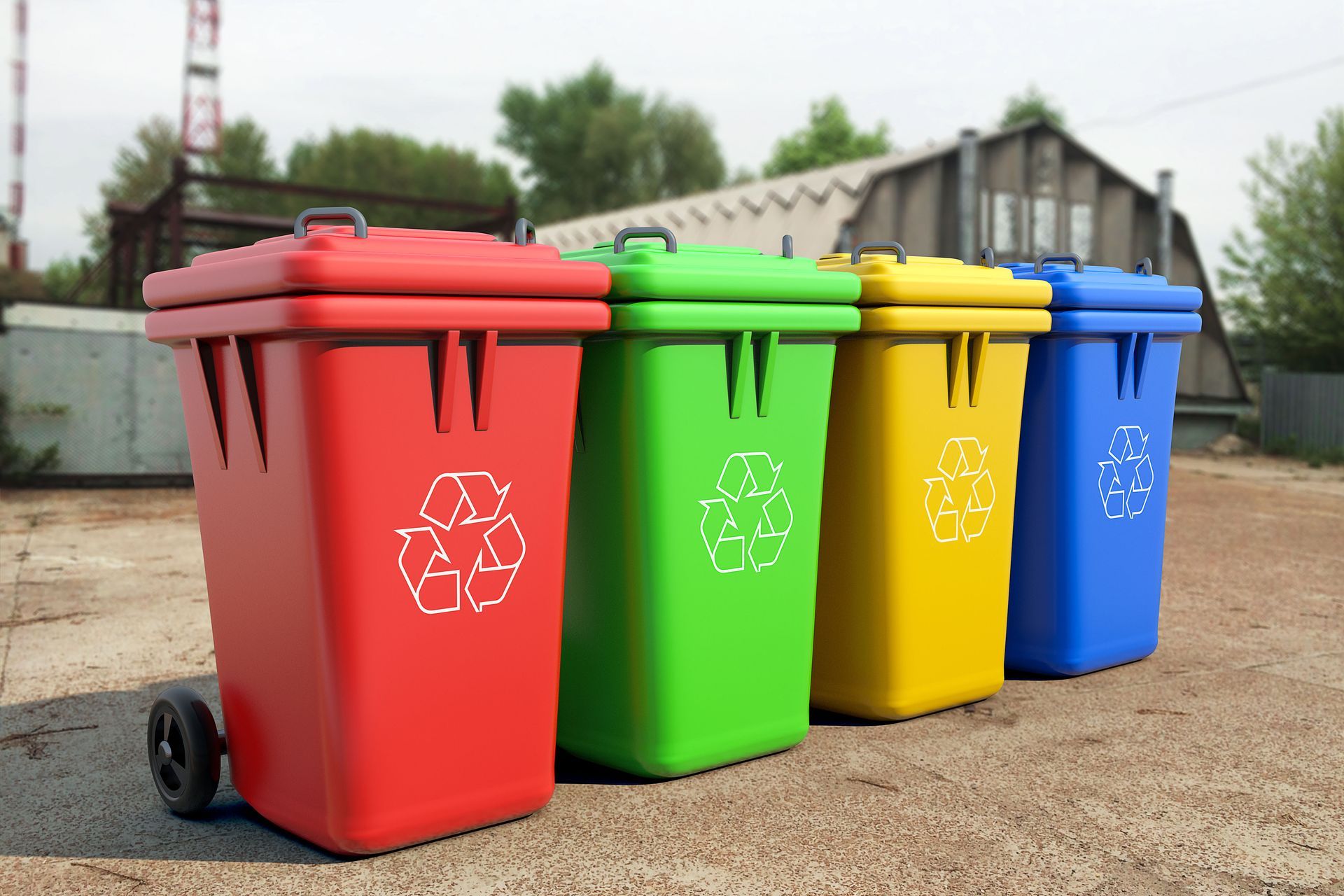
Transitioning neighborhoods from mismatched barrels, thin bags, and makeshift bins to uniform, heavy-duty rolling carts delivers significant advantages. Standardized rolling totes with attached, secure lids prevent wind gusts from scattering loose litter throughout the street. These containers also discourage foraging wildlife, including raccoons, rodents, and birds, from tearing into refuse bags. Additionally, standardized totes allow sanitation trucks to utilize mechanical lifting arms, which speeds up residential curbside trash pickups while reducing physical strain on collection workers.
Establishing Clear Placement Guidelines
Even the sturdiest rolling cart loses effectiveness if placed improperly along the road. Municipalities benefit from circulating visual placement guides to all participating households. Carts should be positioned right at the street edge or curb line, oriented with lid openings facing the road. Maintaining at least three feet of clearance around each cart ensures that automated or semi-automated truck equipment can access the container without striking parked cars, mailboxes, utility poles, or neighboring containers. Clearly defining placement rules simplifies curbside trash pickups for drivers and guarantees consistent service for homeowners.
Integrating Responsible Sorting Procedures
Managing municipal waste is not solely about gathering items for disposal; it also involves separating materials that require specialized treatment. Integrating comprehensive diversion techniques into regular collection systems preserves regional landfill space and protects natural waterways.
Expanding Household Recycling Streams
Curbside services operate most effectively when non-trash items are diverted into dedicated recycling channels. Establishing parallel collection schedules for paper, cardboard, metal, and rigid plastics removes tons of bulky material from regular waste streams. Clear instructional labeling on household containers minimizes cross-contamination, ensuring that collected recyclables remain clean enough for industrial processing. When households consistently divert clean recyclables, the overall weight and volume entering regular curbside trash pickups decreases, making collection schedules far more predictable and cost-effective.
Managing Yard Waste and Bulky Materials
Seasonal yard maintenance creates sudden spikes in organic debris that can quickly overwhelm standard household trash carts. Implementing dedicated seasonal collections for tree clippings, branches, and autumn leaves keeps organic matter separated from standard household garbage. Likewise, towns that establish designated dates or on-demand scheduling for oversized bulk items prevent large household furnishings and mattresses from being abandoned on roadsides. Keeping bulky items separate preserves route speed during regular curbside trash pickups and ensures that oversized items are handled with proper transport equipment.
Strengthening Community Outreach and Communication
A waste removal strategy depends entirely on resident participation. Without clear, consistent communication between neighborhood organizers, municipal officials, and local service providers, even the most thoughtfully engineered programs can falter.
Developing Multilingual Educational Campaigns
Communities are culturally diverse, and informational materials must reflect that reality. Distribution of clear, multilingual brochures, collection calendars, and quick-reference sorting graphics helps every household understand municipal policies. Outlining prohibited materials—such as lithium batteries, construction debris, hot ashes, and liquid chemicals—safeguards collection personnel and prevents vehicle fires. Routine reminders delivered through local newsletters and digital community portals reinforce good disposal habits across all neighborhoods.
Utilizing Real-Time Service Notifications
Inclement winter weather, observed holidays, and road repair projects can cause delays in scheduled collection services. Utilizing modern communication channels—such as text alerts, email updates, or neighborhood web bulletins—ensures residents are notified when route delays occur. When households know promptly that poor weather conditions have shifted their service day, they can keep their bins secure rather than leaving them vulnerable to high winds or snowplows. Reliable communication eliminates confusion and maintains neighborhood order during unforeseen disruptions.
Supporting Collection Crew Safety
Behind every smooth collection route is a dedicated team of drivers and route specialists who perform physically demanding work in all weather conditions. Prioritizing worker safety is essential for continuous, dependable neighborhood services.
Ensuring Driver Visibility and Route Safety
Collection vehicles must frequently stop in active traffic lanes, making driver visibility and pedestrian safety paramount. Municipalities can assist collection crews by enforcing neighborhood parking restrictions on designated collection mornings. Clearing vehicle lanes allows sanitation trucks to maneuver without risking collisions or blocking emergency vehicle access. Furthermore, trimming low roadway tree limbs on residential streets prevents damage to vehicle lighting and hydraulic systems, ensuring that collection vehicles operate smoothly throughout their routes.
Adhering to Safe Weight Thresholds
Overloaded containers pose a major hazard to both equipment and service personnel. When residents pack bins beyond their rated weight limits with dense materials like soil, broken concrete, or heavy scrap, mechanical lifting mechanisms can fail, or manual loaders can sustain injuries. Education programs that inform homeowners about proper weight limits and container closure requirements help avoid broken bins and dropped loads. When every home adheres to container guidelines,
curbside trash pickups proceed without incident, keeping neighborhood streets clean and collection professionals protected.
Improving curbside waste management is an ongoing collaborative process that requires long-term planning, continuous feedback, and active community involvement. By modernizing collection routes, encouraging responsible sorting, standardizing household containers, and maintaining open lines of communication, neighborhoods can establish a clean, sanitary environment that serves residents for decades. Sustainable waste practices safeguard natural surroundings, reduce municipal overhead, and enhance the overall quality of daily life in every residential district. For dependable, professional waste removal solutions that keep your neighborhood clean and compliant, reach out to Star Waste Systems to explore comprehensive service options.
Share On: