

Keeping Job Sites Safe and Clean on Schedule With Junk Removal
The operational rhythm of an active job site depends heavily on order, organization, and predictable daily routines. When materials arrive and construction progresses through each phase, scrap material, discarded packaging, and structural remnants accumulate across staging bays, pathways, and fabrication zones. Unmanaged debris does far more than create visual clutter; it compromises worker health, slows down trade professionals, and creates severe logistics bottlenecks across the entire property. Establishing an orderly waste management schedule ensures that materials are hauled away methodically, allowing crews to focus on milestones rather than maneuvering around hazardous rubble. Integrating dependable waste hauling services keeps projects moving forward smoothly without unforeseen operational stoppages.
Understanding the Hazards of Site Clutter
Unmonitored debris on an active work site presents immediate physical hazards to personnel and heavy machinery alike. Scattered off-cuts, packaging components, and loose fasteners turn routine movement into an obstacle course that threatens site safety.
Preventing Tripping and Falling Incidents
Walkways and staging corridors must remain clear to prevent slips, trips, and falls, which represent a significant percentage of construction workplace injuries. Loose timber, banding straps, plastic wrap, and scraps left along high-traffic routes increase accident risks for workers carrying bulky tools. When site managers coordinate routine commercial trash pickup, heavy refuse is cleared systematically before it impedes vital access routes. Clean floor spaces enable workers to carry supplies and maneuver heavy components without glancing downward at every step, creating a safer physical setting for all trades. Establishing these predictable disposal habits also ensures that pathways remain open during shift handovers and critical material transports.
Protecting Machinery and Vehicle Tires
Heavy machinery and transport vehicles experience avoidable wear when operating on surfaces littered with sharp metal, broken concrete, or stray nails. Punctured tires and damaged undercarriages result in equipment downtime, delayed schedules, and costly job site pauses. Clearing pathways through reliable commercial trash pickup safeguards machinery, keeps access roads open, and protects transport deliveries from ground punctures. By keeping thoroughfares clean, equipment operators can maneuver loaders, lifts, and transport vehicles with full confidence and speed.
Coordinating Structured Waste Removal Schedules
Consistency is the foundation of an efficient work zone. Debris management cannot be treated as an afterthought or left until a project concludes, because solid waste accumulates at a rate that quickly overwhelms unmonitored staging areas. It requires strategic intervals coordinated with project milestones.
Managing Demolition Volumes Strategically
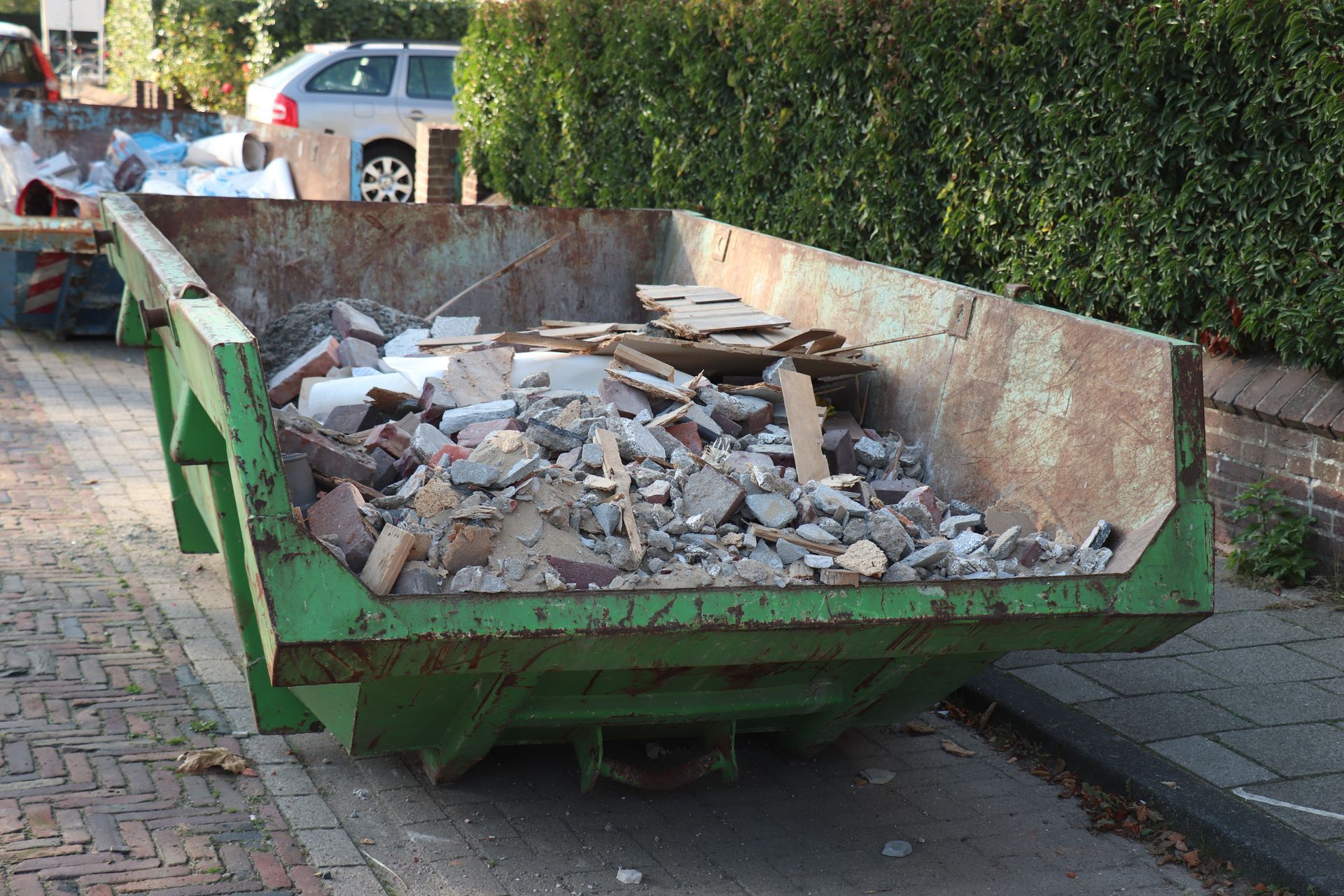
Demolition phases produce overwhelming surges of masonry, drywall, timber, and metal fixtures within compressed timeframes. According to the EPA, the United States produced roughly 600 million tons of construction and demolition debris over the course of a single year, an amount that more than doubles standard municipal trash volumes. Handling such massive output requires proactive logistical coordination and continuous collection intervals rather than sporadic cleanups. Regular commercial trash pickup allows teams to stage debris in dedicated containers rather than letting piles expand unchecked across open grounds where they obstruct ongoing work.
Scheduling Timely Container Swaps
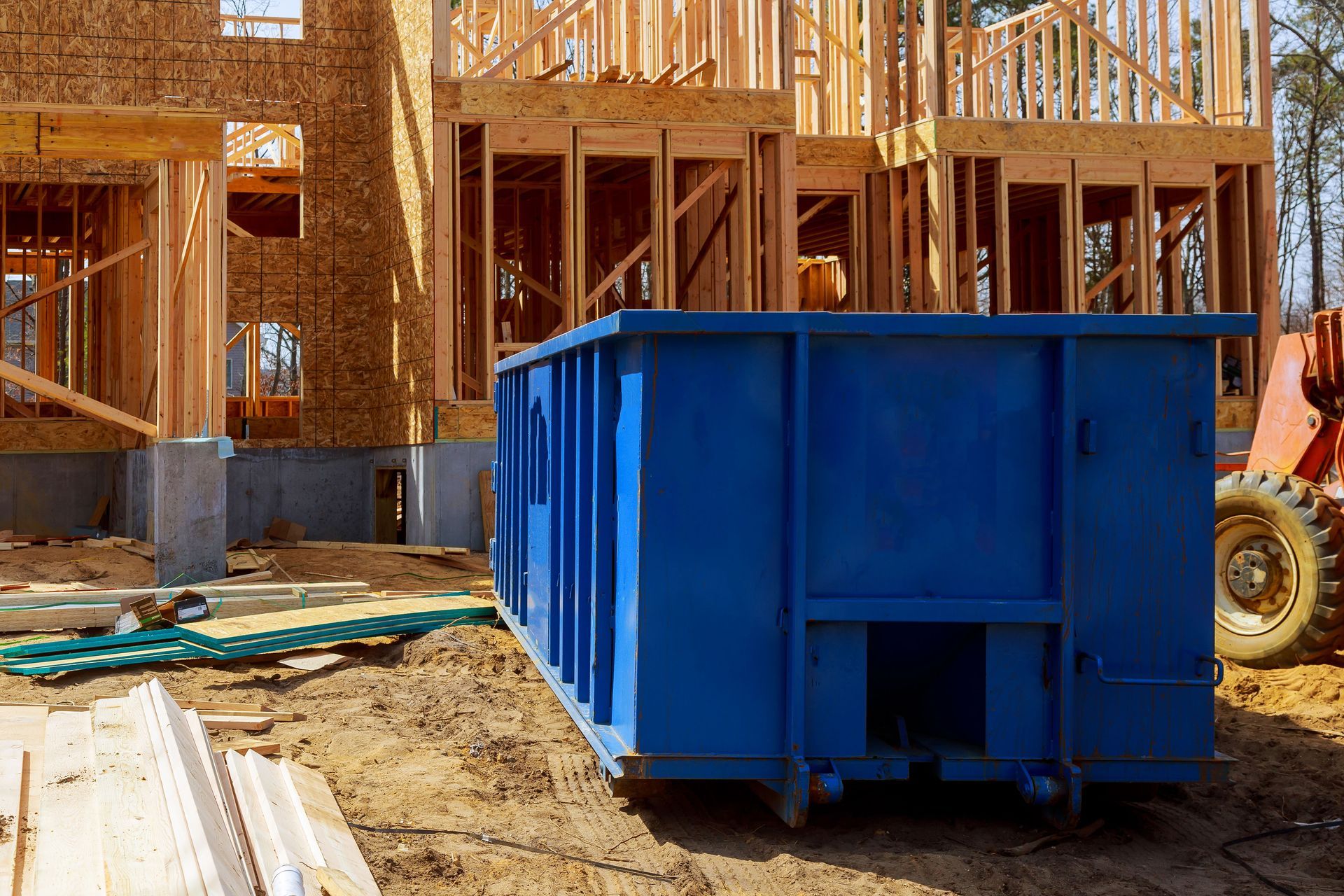
Using roll-off containers or front load systems keeps solid waste organized, but bins are only beneficial if they are serviced on time. When containers overflow, crews are forced to stack refuse alongside them, creating duplicate handling work and additional labor strain. Coordinating recurring commercial trash pickup guarantees that full containers are swapped for empty ones before capacity limits are breached. This cadence prevents delays across subsequent shifts and maintains an orderly workflow that supports uninterrupted progress.
Maintaining Regulatory Compliance and Project Health
Federal and local safety regulations mandate clean, sanitary, and well-organized environments on all commercial operations. Fulfilling these guidelines protects crews from regulatory scrutiny, environmental fines, and community complaints.
Adhering to Environmental Regulations
Solid waste management standards govern how discarded materials must be sorted, stored, and transported from commercial parcels. Disorganized heaps of refuse risk blowing into adjacent properties or washing sediment and contaminants into municipal storm drainage systems during severe weather events. Scheduled commercial trash pickup ensures that refuse is collected in appropriate containers and transferred to authorized processing facilities promptly. This diligence keeps projects compliant with environmental protection ordinances and municipal building codes.
Minimizing Fire and Health Risks
Piles of wood scraps, cardboard shipping boxes, plastic sheeting, and discarded packaging represent ready fuel for potential job site fires. Heat from welding, cutting torches, or temporary lighting can ignite unmonitored scrap material in seconds. Stagnant trash can also attract pests, creating sanitary concerns for long-term commercial sites. Establishing regular commercial trash pickup clears combustible substances and decaying matter before they evolve into acute health or fire hazards, supporting a secure and clean site perimeter.
Improving Overall Workflow and Trade Productivity
A clean site is an efficient site. When waste is extracted from the operational area on a disciplined timetable, work performance rises across every phase of the project lifecycle.
Optimizing Physical Space Utilization
Every square foot of space on an active job site carries functional value. Open staging zones are necessary for incoming structural deliveries, modular components, and temporary equipment laydown. When piles of rubble take over functional areas, incoming deliveries face logistical gridlock, forcing drivers to wait or unload in suboptimal areas. By utilizing dependable services, site managers maintain clear ground where subcontractors can park, organize materials, and perform daily tasks without navigating excess clutter.
Boosting Tradesperson Focus and Morale
Working in an orderly, well-maintained setting has a direct psychological and mechanical benefit on site crews. When subcontractors walk into a space that is swept, clear of dangerous refuse, and neatly organized, productivity climbs naturally. Trade professionals spend their billable hours crafting, building, and assembling rather than cleaning up after preceding crews. Incorporating structured commercial trash pickup into weekly site management demonstrates professional oversight and encourages trades to maintain high standards of housekeeping throughout their shifts.
Enhancing Site Logistics and Community Relations
Large-scale developments exist within broader communities and require careful interaction with neighboring properties, public thoroughfares, and municipal inspectors. Orderly site maintenance ensures these relationships remain positive from groundbreaking to completion.
Protecting Neighborhood Cleanliness Standards
Active construction can generate dust, windblown paper, plastic sheeting, and loose packing materials that travel beyond the property boundary if left uncontained. When solid waste spills into public streets or neighboring properties, it leads to neighborhood friction and calls to municipal code enforcement. Relying on scheduled pickup services prevents refuse from scattering into surrounding streets, keeping local sidewalks clean and safeguarding neighborhood goodwill throughout the building lifecycle.
Facilitating Smooth Municipal Inspections
Code officials and safety inspectors evaluate the general orderliness of a job site as part of their assessment routine. A site that is buried under unmanaged scrap and overflowing debris often triggers closer scrutiny regarding safety protocols and code adherence. Maintaining an uncluttered site with predictable
commercial trash pickup signals to inspectors that the project is managed with discipline, helping inspections proceed smoothly and without administrative holdups.
Workplace cleanliness and strict project timelines go hand in hand. Keeping a job site clean is not merely a matter of appearances; it directly impacts worker safety, operational velocity, and regulatory compliance. By addressing solid waste proactively through organized hauling schedules and reliable site management, project managers protect their crews, preserve their equipment, and deliver projects on schedule. To maintain an organized, hazard-free work environment on schedule, contact Star Waste Systems today to coordinate comprehensive waste removal and management solutions.


Share On: