

Commercial Trash Pickup Solutions for Cleaner Workplaces
Effective waste management plays an important role in maintaining clean, safe, and productive commercial environments. From offices and retail stores to restaurants and industrial facilities, businesses generate waste that must be handled consistently. Without a reliable disposal plan, overflowing containers, unpleasant odors, and sanitation concerns can interfere with daily operations. A well-organized commercial trash pickup plan helps businesses maintain cleaner properties, manage expenses, and support environmental responsibility. Understanding available services, modern technologies, and practical waste reduction strategies can help organizations develop an approach that meets their needs.
Understanding the Importance of Effective Waste Collection
Inadequate waste management can create problems that extend beyond an untidy workplace. Accumulated trash can obstruct walkways, create unpleasant odors, and attract insects or rodents. These conditions may affect employee comfort, customer perceptions, and overall workplace safety. Regular commercial trash pickup helps prevent waste from accumulating and allows businesses to maintain more sanitary surroundings.
Health and safety considerations are especially important for businesses that generate food waste, packaging materials, or other potentially hazardous refuse. Improper disposal can expose employees and visitors to unnecessary risks. Consistent commercial trash pickup schedules help reduce these concerns while supporting compliance with applicable waste disposal requirements. Businesses that handle regulated materials must also understand which items require separate collection and specialized disposal.
Environmental responsibility is another important reason to establish effective waste management practices. Landfills contribute to methane emissions, while improperly discarded materials can contribute to pollution and resource depletion. Recycling, reducing unnecessary packaging, and separating appropriate materials can help businesses limit the amount of waste they send to landfills. According to IBISWorld, the waste collection services market in the United States grew at a compound annual growth rate of 3.7% from 2020 to 2025, reflecting the continued importance of these services.
Exploring Different Commercial Waste Collection Services
Scheduled collection services provide dependable waste removal at predetermined intervals. Businesses with consistent waste production often benefit from daily, weekly, or multiple-times-per-week pickups. These arrangements help prevent overflowing containers and make disposal easier to incorporate into regular operations. Providers can also adjust commercial trash pickup frequency based on business size, industry, and seasonal demand.
On-demand collection offers greater flexibility for organizations with unpredictable waste volumes. Construction projects, seasonal businesses, and companies hosting special events may generate more refuse than usual during certain periods. Rather than relying exclusively on a fixed schedule, these businesses can request additional service when necessary. This flexibility helps prevent temporary waste accumulation without requiring a permanent increase in collection frequency.
Recycling services offer another important component of commercial waste management. Single-stream recycling allows employees to place accepted recyclable materials into one designated container instead of sorting everything individually. This arrangement can simplify participation and encourage better recycling habits. However, businesses should understand local acceptance guidelines because contaminated materials can interfere with recycling operations. Clear signage and employee education can help improve sorting practices.
Selecting the Right Waste Collection Provider
Choosing a dependable provider requires more than comparing collection prices. Businesses should evaluate a company's experience, qualifications, service offerings, and ability to meet their operational requirements. Providers should understand applicable disposal regulations and offer appropriate solutions for the types of waste their customers generate. Reviewing these factors helps organizations find a service arrangement that supports consistent waste removal.
Pricing structures and contract conditions also deserve careful consideration. Some providers charge fixed rates, while others calculate costs according to container size, collection frequency, or waste volume. Businesses should determine which model best matches their disposal needs. Reviewing potential additional charges, service limitations, and contract renewal terms can also prevent unexpected expenses.
Service availability is particularly important for organizations operating multiple locations. A provider with suitable coverage can simplify scheduling and help maintain consistent disposal practices across different facilities. Businesses should also consider communication and customer support. Clear procedures for reporting missed pickups, requesting additional collections, and addressing service concerns can make ongoing waste management easier.
Using Technology to Improve Commercial Waste Collection
Modern waste management technologies are creating opportunities for more efficient collection. Smart waste containers equipped with sensors can monitor how full they are and transmit information to service providers. Instead of relying entirely on predetermined schedules, collection companies can use this information to identify when containers need attention. These systems can reduce unnecessary trips and help businesses manage waste more efficiently.
Automated sorting equipment is also improving recycling operations. Advanced systems use sensors and other identification technologies to separate materials such as plastics, metals, and paper. More accurate sorting can reduce contamination and increase the amount of material suitable for recycling. Although businesses may not operate these systems themselves, working with providers that use modern processing facilities can support broader sustainability objectives.
GPS tracking and route optimization offer additional benefits. Collection companies can use these tools to plan efficient routes, reduce unnecessary travel, and monitor vehicle activity. Better routing can lower fuel consumption and help providers maintain more predictable service schedules. For businesses, these improvements can contribute to dependable commercial trash pickup while supporting more environmentally responsible transportation practices.
Reducing Waste and Controlling Disposal Costs
Reducing the amount of waste a business generates is one of the most practical ways to control disposal expenses. Organizations can begin by reviewing purchasing habits, packaging requirements, and everyday operations. Ordering supplies in appropriate quantities and choosing reusable materials when practical can reduce unnecessary refuse. Even small changes across departments can make a noticeable difference over time.
Employee participation is equally important. Businesses should explain which materials belong in recycling containers, how waste should be separated, and where different items should be discarded. Clearly marked containers and accessible disposal stations make it easier for employees to follow established procedures. Periodic reminders can reinforce these habits and help maintain consistent participation.
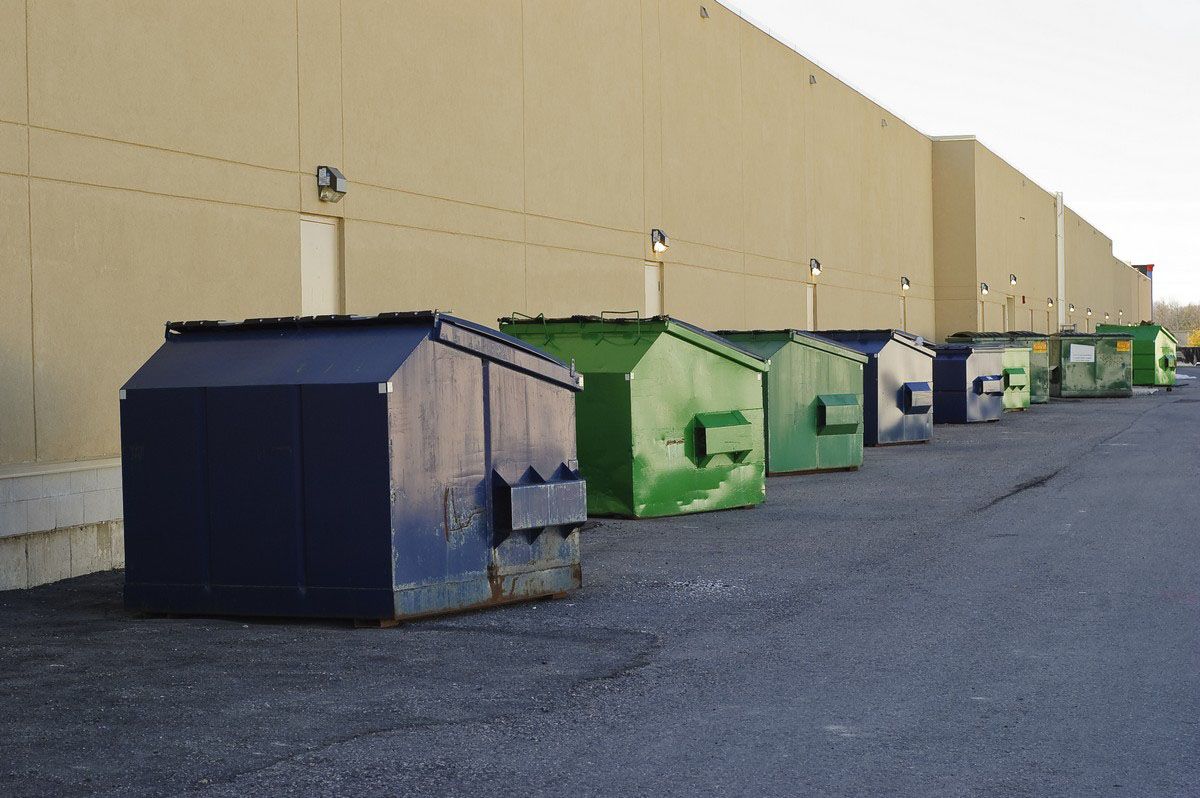
Another useful strategy involves reviewing collection frequency and container capacity. Businesses that consistently have partially filled containers may benefit from adjusting their commercial trash pickup schedules or selecting different container sizes. Conversely, locations that frequently experience overflowing dumpsters may need additional collections. Regularly evaluating these patterns helps organizations avoid paying for unnecessary service while maintaining appropriate disposal capacity.
Some companies can also explore partnerships with local recycling organizations or material recovery programs. Depending on the materials involved, these arrangements may provide opportunities to divert reusable resources from landfills. Establishing clear recycling goals and monitoring progress can help businesses evaluate the effectiveness of their waste reduction efforts.
Preparing for the Future of Commercial Waste Management
Waste collection practices will continue evolving as businesses place greater emphasis on sustainability and operational efficiency. Artificial intelligence and machine learning are creating new opportunities to analyze waste generation patterns, improve sorting accuracy, and identify more efficient collection schedules. These developments may help providers deliver services that better reflect the changing needs of commercial customers.
Sustainable packaging is another important area of development. Businesses can reduce disposal demands by selecting products with less packaging, reusable shipping materials, or recyclable alternatives. Compostable materials may also be appropriate for certain operations, particularly those that generate substantial amounts of food waste. However, companies should verify that suitable processing facilities accept these materials before incorporating them into their waste management programs.
Changing regulations and customer expectations will likely influence future disposal practices as well. Organizations may face increasing pressure to demonstrate responsible resource use and reduce unnecessary waste. Businesses that periodically review their procedures can adapt more easily as available services, technologies, and environmental standards change.
Choosing the right commercial trash pickup arrangement is an important step toward maintaining a cleaner property and supporting long-term business needs. Working with an experienced provider can simplify routine disposal and make it easier to address changing waste volumes. Star Waste Systems can help businesses explore dependable waste collection solutions that support cleaner, more organized commercial properties. Contact the company to discuss your waste management needs and find a service arrangement that works for your operation.

Share On: