

Office Relocations and Retail Upgrades: A Seamless Guide to Commercial Cleanouts
Transitioning office spaces or upgrading retail environments can be an overwhelming endeavor for corporate managers, store owners, and facilities directors alike. A massive transformation requires moving beyond simple operational logistics to confront the physical reality of outdated furnishings, obsolete display units, legacy paperwork, and worn fixtures. Navigating this transition effectively requires an organized, safe, and environmentally compliant approach that keeps daily enterprise activities running smoothly. Meticulous planning at every stage allows corporate teams to safeguard brand value, mitigate hazards, and maintain fiscal control throughout the overhaul. Commercial properties generate an immense amount of material turnover during upgrades, making structured logistics indispensable for maintaining business continuity.
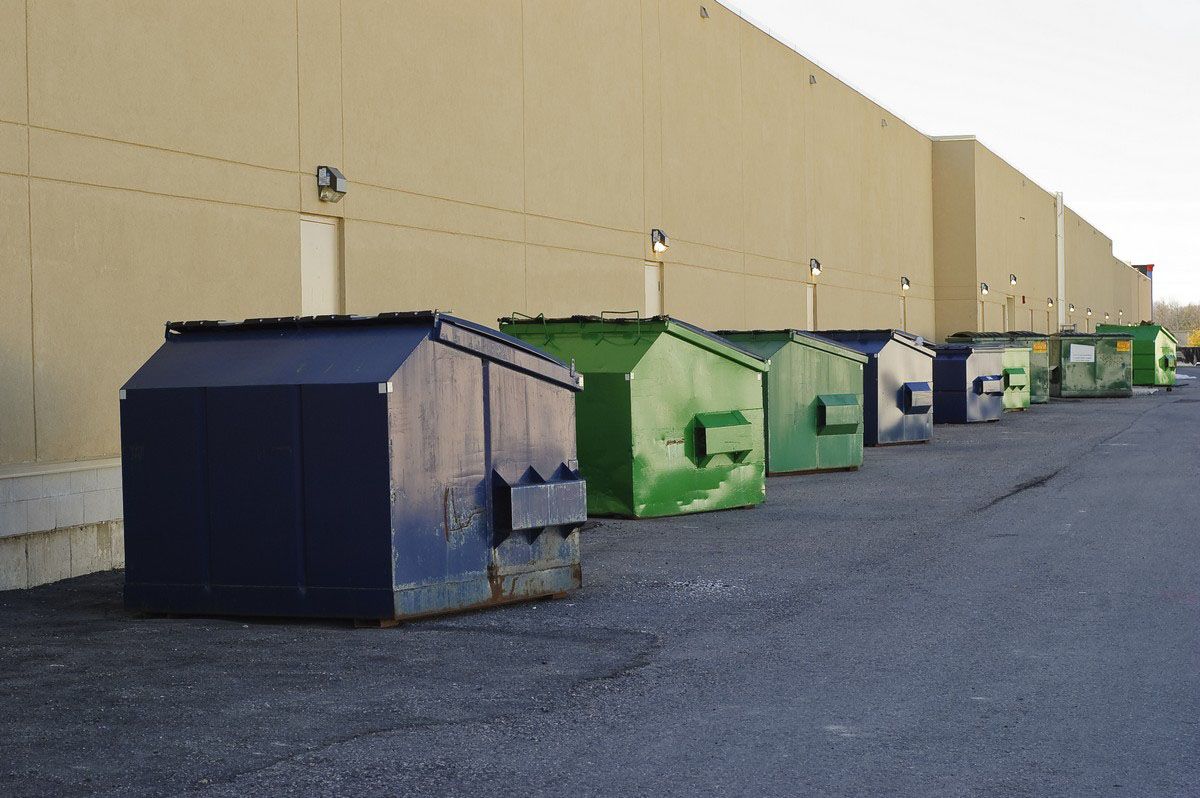
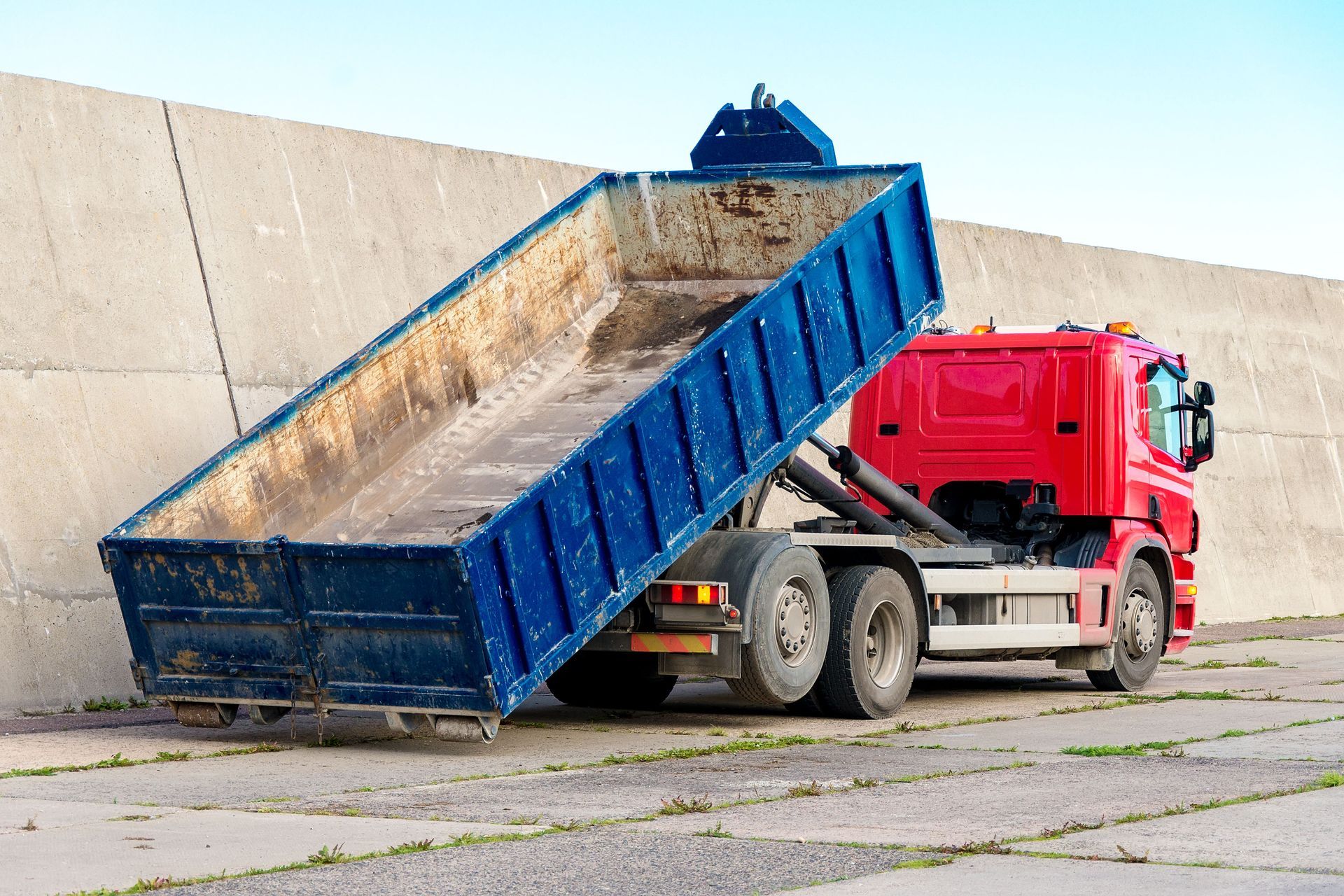
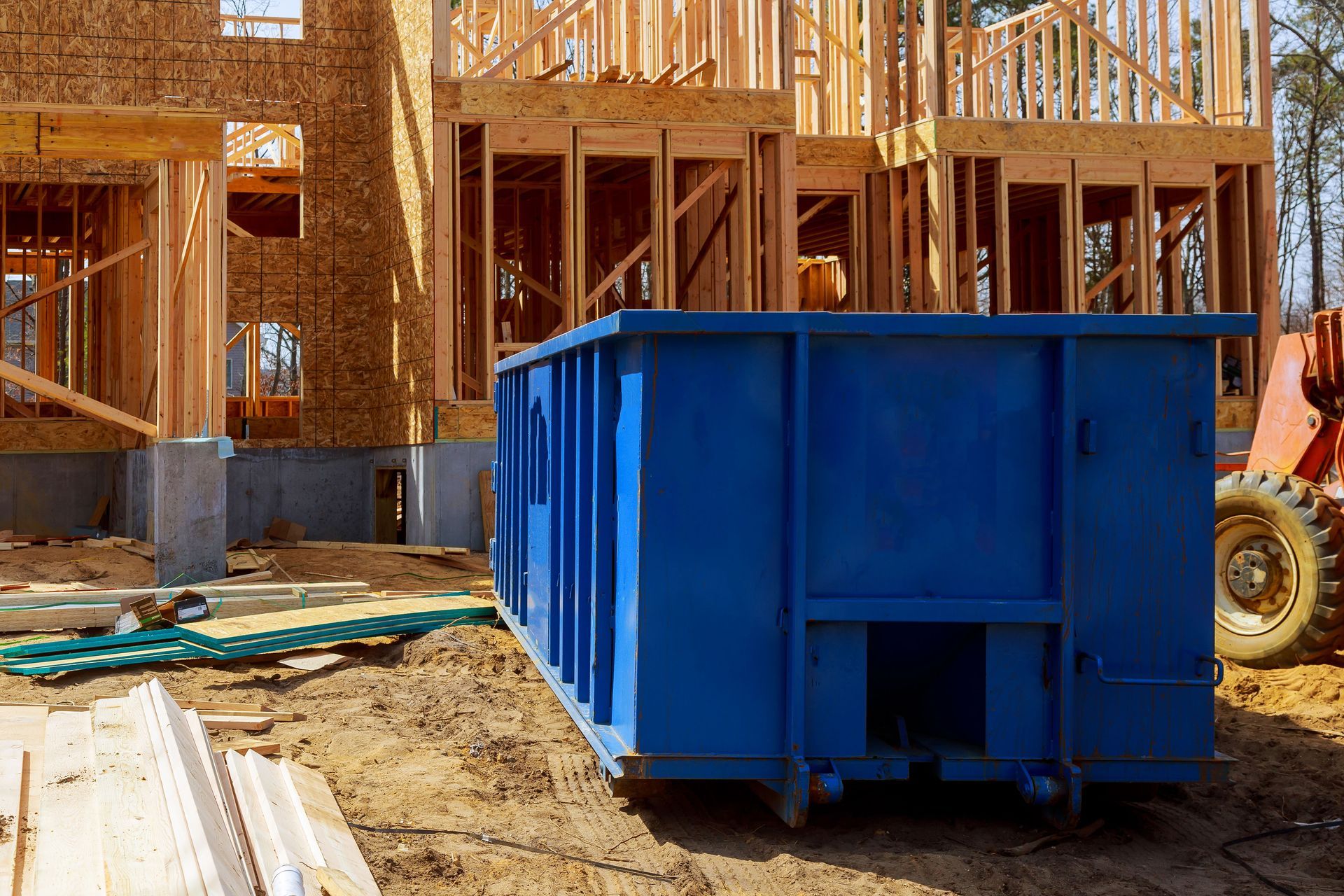
Partnering with dependable specialists who supply commercial dumpster and trash pickup services enables organizations to manage extensive physical debris without halting daily operations or burdening staff members with manual hauling tasks. Commercial cleanouts require dedicated roll-off containers, precise drop-off schedules, and reliable hauling networks to handle large volumes of bulky debris, architectural fragments, and retired office furnishings.
Planning and Structuring Comprehensive Commercial Transitions
Achieving a clean, orderly commercial transition requires an exhaustive assessment of the enterprise property and a carefully structured project timeline. Facility directors must begin by auditing the full square footage, cataloging all fixtures, and determining which mechanical or architectural items must be removed. Developing a clear scope of work helps departmental heads assign specific oversight duties, maintain accountability, and anticipate logistical complexities before physical hauling begins. Financial planning must parallel this operational blueprint, allocating dedicated capital for transport, municipal permits, professional labor, and emergency reserves to address hidden structural challenges. Establishing firm milestone checkpoints throughout the project schedule keeps contractors aligned, avoids expensive delays, and maintains project momentum from start to finish.
Securing licensed support for commercial dumpster and trash pickup services ensures that the staging area remains organized and capable of handling fluctuating debris volumes throughout each phase. Staying informed on local ordinances governing waste disposal and material handling protects businesses from legal repercussions. Moreover, prioritizing environmental standards demonstrates corporate responsibility and safeguards public health. According to the Living Coast Discovery Center, 35% of trash comes from schools and commercial locations, highlighting the importance of sustainable practices. Compliance not only secures legality but also enhances public image and community trust. Aligning external logistics providers with internal administrative oversight guarantees that all city guidelines are respected, preventing expensive municipal penalties and preserving project momentum.
Managing Corporate Assets and Categorizing Workplace Inventory
An office relocation or retail remodel presents a premier opportunity to audit physical inventories and evaluate enterprise assets systematically. Facility managers should assemble an exhaustive inventory log that details each piece of modular furniture, technological asset, retail fixture, and decorative element across the facility. Professional valuation specialists can help determine the market value of surplus items, identifying which assets can be liquidated, reassigned to alternative company branches, or placed in secured off-site storage. Documenting items methodically in centralized enterprise software guarantees complete transparency, simplifies fiscal audits, and prevents the unintentional loss of valuable property during hectic moves.
Once high-value assets are tagged for retention or resale, remaining fixtures and broken materials require swift processing through designated commercial dumpster and trash pickup services. Segregating broken office cubicles, damaged store display gondolas, and unusable decor from operational materials prevents valuable square footage from becoming cluttered. Certified hauling networks direct non-salvageable office items toward industrial recycling processors or authorized processing stations, ensuring that discarded commercial property is handled in full accordance with environmental standards. Clear asset classification streamlines administrative reviews, maintains corporate transparency, and accelerates overall project schedules.
Sorting Debris and Establishing Responsible Waste Protocols
Modern commercial overhauls demand sustainable waste diversion protocols that divert usable items from standard landfills and protect local ecosystems. Organizations must systematically separate corrugated cardboard packaging, architectural metals, electronics, and standard masonry rubble to maximize material recovery rates. Specialized technical handling is essential when dealing with electronic waste, including retired computer towers, outdated point-of-sale systems, fluorescent lighting tubes, and backup battery units. Retaining licensed environmental handlers guarantees that sensitive components and heavy metals are processed in compliance with strict ecological guidelines, preventing environmental contamination.
Coordinating these multi-stream disposal efforts relies on scheduling professional commercial dumpster and trash pickup services equipped with multi-container configurations. Having designated containers stationed at loading docks or service bays allows commercial cleanup crews to sort materials continuously without cross-contaminating recyclables. Waste management partners supply essential manifests, certified haul receipts, and diversion metrics that document the exact volume of scrap steel, lumber, and paper diverted from regional landfills. These thorough reports reinforce corporate sustainability disclosures, support green business certifications, and provide stakeholders with quantifiable proof of environmental stewardship.
Coordinating External Vendors and Maintaining Quality Control
Managing an enterprise-level cleanout requires harmonious coordination among internal department leads, facility staff, and external commercial contractors. Clear contracts must define service levels, expected arrival schedules, insurance minimums, and contingency plans for project delays. Designating an internal project coordinator simplifies communication, ensuring that outside vendors receive immediate direction and that operational access points remain unobstructed. Holding daily briefing sessions with vendor leads ensures that work proceeds according to contract specifications while addressing unexpected operational challenges in real time.
Scheduling regular drop-offs and removals through reliable commercial dumpster and trash pickup services keeps high-volume staging areas clear and productive. Clear communication with logistics dispatchers guarantees that full roll-off bins are hauled away promptly, avoiding loading dock congestion and allowing commercial building operations to continue uninterrupted. Enforcing stringent service level agreements holds vendor teams accountable to agreed delivery windows and safety procedures. By actively managing these vendor partnerships, commercial facility managers protect their project timelines and maintain strict quality standards across all project phases.
Implementing Workplace Safety and Reducing Operational Hazards
Maintaining workplace safety is paramount when handling bulky retail shelving, modular partitions, and architectural debris during large-scale cleanouts. Facility managers must conduct comprehensive job-hazard analyses before physical work begins, identifying narrow corridors, blind loading corners, slippery dock bays, and unstable overhead fixtures. Every participant on the work floor must wear personal protective equipment, including puncture-resistant gloves, steel-toe footwear, high-visibility vests, hard hats, and eye protection. Clear pedestrian walkways and emergency egress corridors must remain completely unobstructed by discarded equipment or construction rubble to ensure swift, unhindered evacuation if an emergency arises.
Integrating professional commercial dumpster and trash pickup services into the site safety protocol minimizes accident risks by eliminating debris piles inside working commercial corridors. Positioning heavy-duty steel containers within easy reach of primary freight elevators and loading docks reduces the physical travel distance required for moving heavy materials, thereby lessening worker fatigue and back injuries. Facility safety managers should conduct mandatory daily safety briefings to review emergency procedures, chemical hazard containment, and correct lifting techniques. Maintaining an active incident log and conducting regular site walkthroughs demonstrates a firm corporate commitment to worker welfare, legal compliance, and long-term risk reduction.
The final phase of a commercial cleanout requires conducting thorough site inspections and reconciling documentation across all participating departments. Facility supervisors, property owners, and leasing agents should conduct a joint walkthrough to confirm that all tenant spaces, backrooms, and utility closets are vacant, swept clean, and ready for handover. Resolving pending lease obligations, concluding minor structural repairs, and retrieving original keys or access cards marks the formal conclusion of the renovation or relocation program.
Finalizing the project schedule includes coordinating the final collection of
commercial dumpster and trash pickup services to ensure the loading docks and parking lots are completely clear of waste. Once the grounds are immaculate and all containers have been retrieved, corporate executives can publicly share project achievements, highlighting timely completion and waste diversion milestones. If your organization is planning an upcoming corporate transition, facility expansion, or retail modernization, secure expert logistics from Star Waste Systems to execute a seamless, compliant cleanout. Reach out to our dedicated team today to receive a personalized commercial waste management consultation and keep your renovation moving forward smoothly.

Share On: